Follow Me On Social Media!

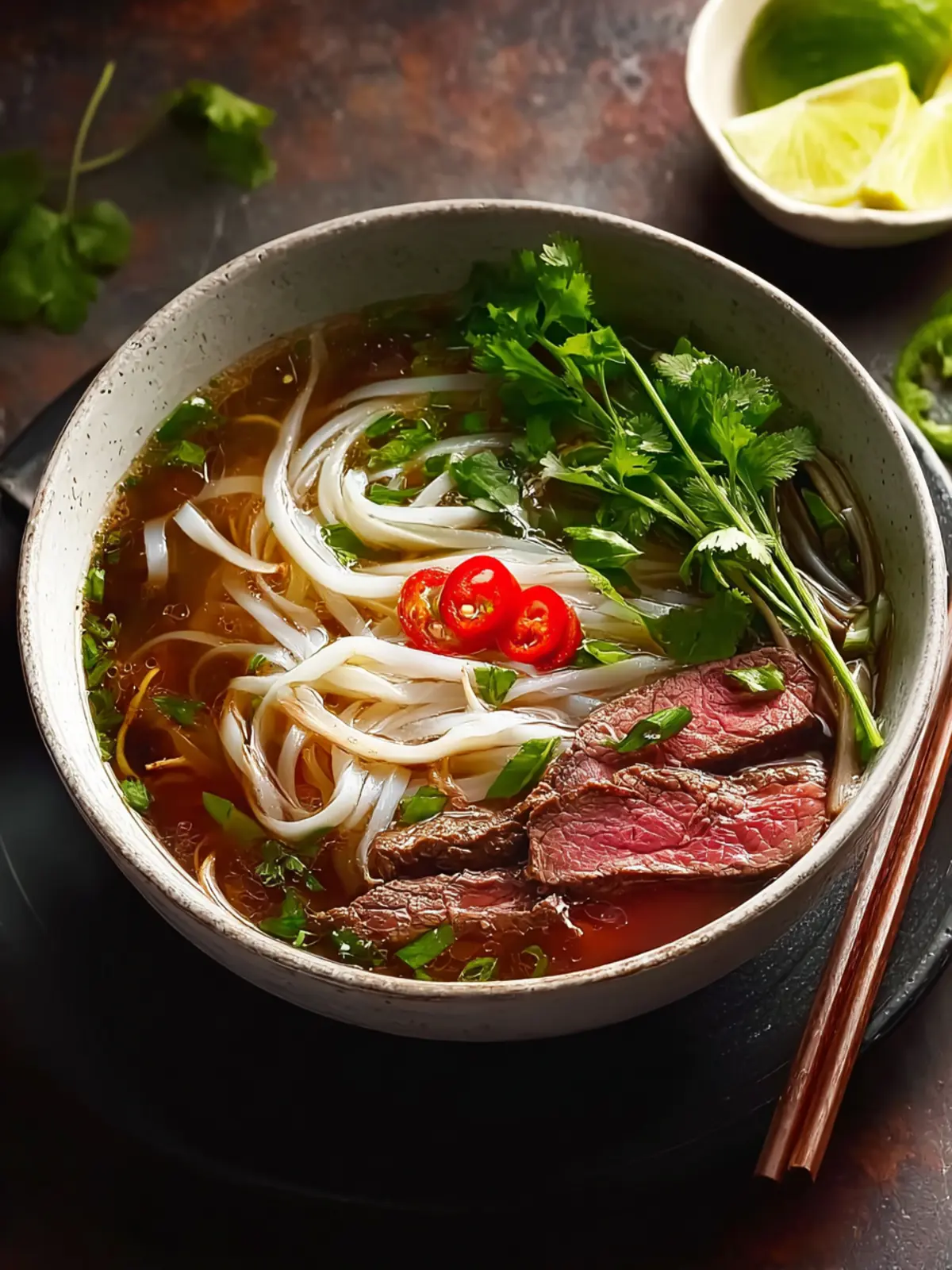
Vietnamese Beef Pho: The Best Homemade Comfort Bowl Ever

Introduction to Vietnamese Beef Pho
If you’re eager to immerse yourself in the vibrant world of culinary exploration, nothing quite compares to the soothing and aromatic experience of Vietnamese Beef Pho. This classic dish transcends mere sustenance, becoming a heartwarming ritual for many—often enjoyed in bustling street markets or intimate family gatherings. As you sip the fragrant broth and savor the tender meat, you’re not just enjoying a meal; you’re partaking in a centuries-old tradition rooted in Vietnam’s rich culture.
Vietnamese Beef Pho is cherished not only for its deep flavor but also for its comforting warmth, making it a beloved dish around the globe. It starts with a beautifully aromatic broth, simmered for hours to extract every nuance from star anise, cinnamon, and ginger. The addition of high-quality beef, often brisket or sirloin, adds a luscious richness, while rice noodles complete the dish, providing a satisfying, chewy texture. Topped with fresh herbs, bean sprouts, and a splash of lime juice, each bowl is a delightful combination of flavors and textures that dance on the palate.
What makes Vietnamese Beef Pho so special?
The magic of Vietnamese Beef Pho lies in its unique balance of flavors. Here are a few elements that contribute to its exceptional nature:
- Aromatic Broth: The long-simmering process develops a complex and deeply satisfying flavor profile that is the heart of any great pho.
- Fresh Ingredients: Utilizing fresh herbs like basil, cilantro, and scallions not only enhances the flavor but also provides a beautiful aromatic quality.
- Personal Touch: Pho is often enjoyed with a personalized touch—everyone can adjust their bowl to their taste with chili, lime, or sauces like hoisin and sriracha, making it an interactive meal.
- Cultural Significance: Beyond flavor, pho carries cultural weight as a dish that brings people together, often served at family gatherings or shared with friends, strengthening bonds over warm bowls of soup.
Whether it’s your first sip or your hundredth, Vietnamese Beef Pho offers an inviting warmth that makes every bowl a little slice of Vietnamese hospitality.
Key Ingredients for Vietnamese Beef Pho
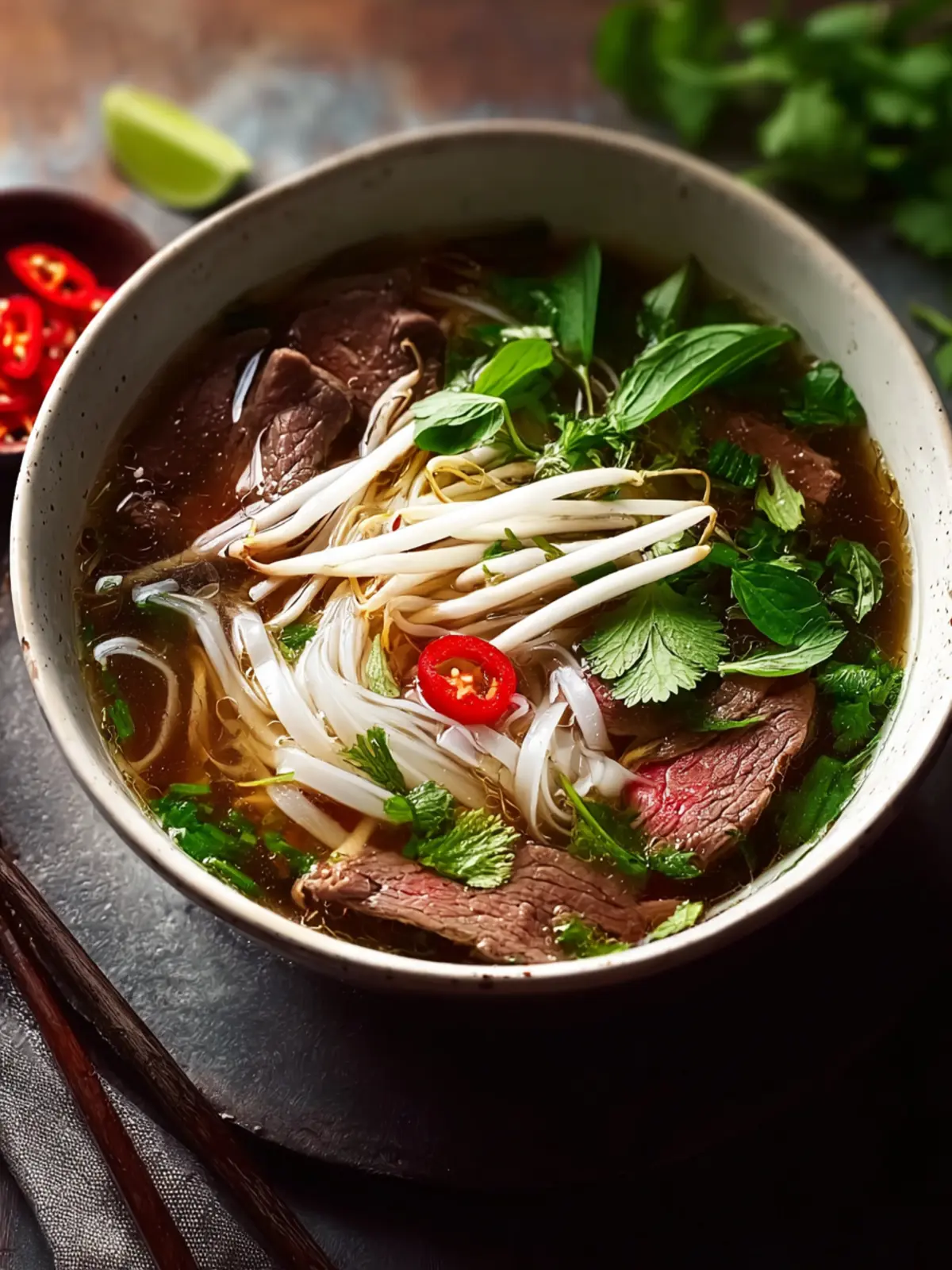
Crafting Vietnamese beef pho at home is an exciting culinary adventure. This beloved dish features a harmonious blend of fresh ingredients and aromatic spices that bring it to life. Let’s take a closer look at the key components that make this soup irresistible.
-
Beef: I recommend using beef brisket or sirloin for their rich flavor and tenderness. Thinly sliced raw beef is often added right before serving, creating a delightful contrast with the hot broth.
-
Noodles: Flat rice noodles are essential in Vietnamese beef pho. The wide noodle shape perfectly absorbs the savory broth, creating a satisfying bite.
-
Broth: The soul of pho lies in its broth. I simmer beef bones with ginger, onion, and an array of spices like star anise and cloves for hours to achieve that deep, fragrant flavor.
-
Herbs: Fresh herbs such as basil, cilantro, and mint are not just garnishes; they elevate the dish, offering invigorating flavors.
-
Spices: A blend of spices, including cinnamon and cardamom, adds depth to the broth, making every sip a warm hug in a bowl.
These ingredients, when combined with care and love, create a tantalizing Vietnamese beef pho that transports you to the bustling streets of Vietnam with every slurp.
Why You’ll Love This Recipe
Imagine inviting the vibrant flavors of Vietnam into your kitchen with a steaming bowl of Vietnamese Beef Pho. This traditional dish isn’t just a meal; it’s an experience, a warm hug in a bowl that evokes the bustling streets of Hanoi, where the aroma of simmering beef broth fills the air.
Here are a few reasons why you’ll adore making this Vietnamese Beef Pho at home:
-
Authentic Flavors: With a harmonious blend of spices like star anise and cinnamon, the aroma alone will transport you to Vietnam. The complex layers of taste, from the savory beef to the fresh herbs, are sure to satisfy your palate and culinary curiosity.
-
Customizable to Your Taste: Whether you prefer rare beef, chicken, or even tofu, this recipe allows you to adapt it to your liking. It’s a dish that encourages exploration and creativity, perfect for home chefs looking to enhance their skills.
-
Heartwarming Comfort Food: On colder days or when you seek comfort, nothing beats a bowl of Vietnamese Beef Pho. The rich broth, paired with fresh toppings like cilantro and lime, makes each bowl feel special.
This recipe invites you not just to cook, but to connect with a rich culinary tradition that brings joy and satisfaction with every slurp. Dive in and discover your new favorite dish!
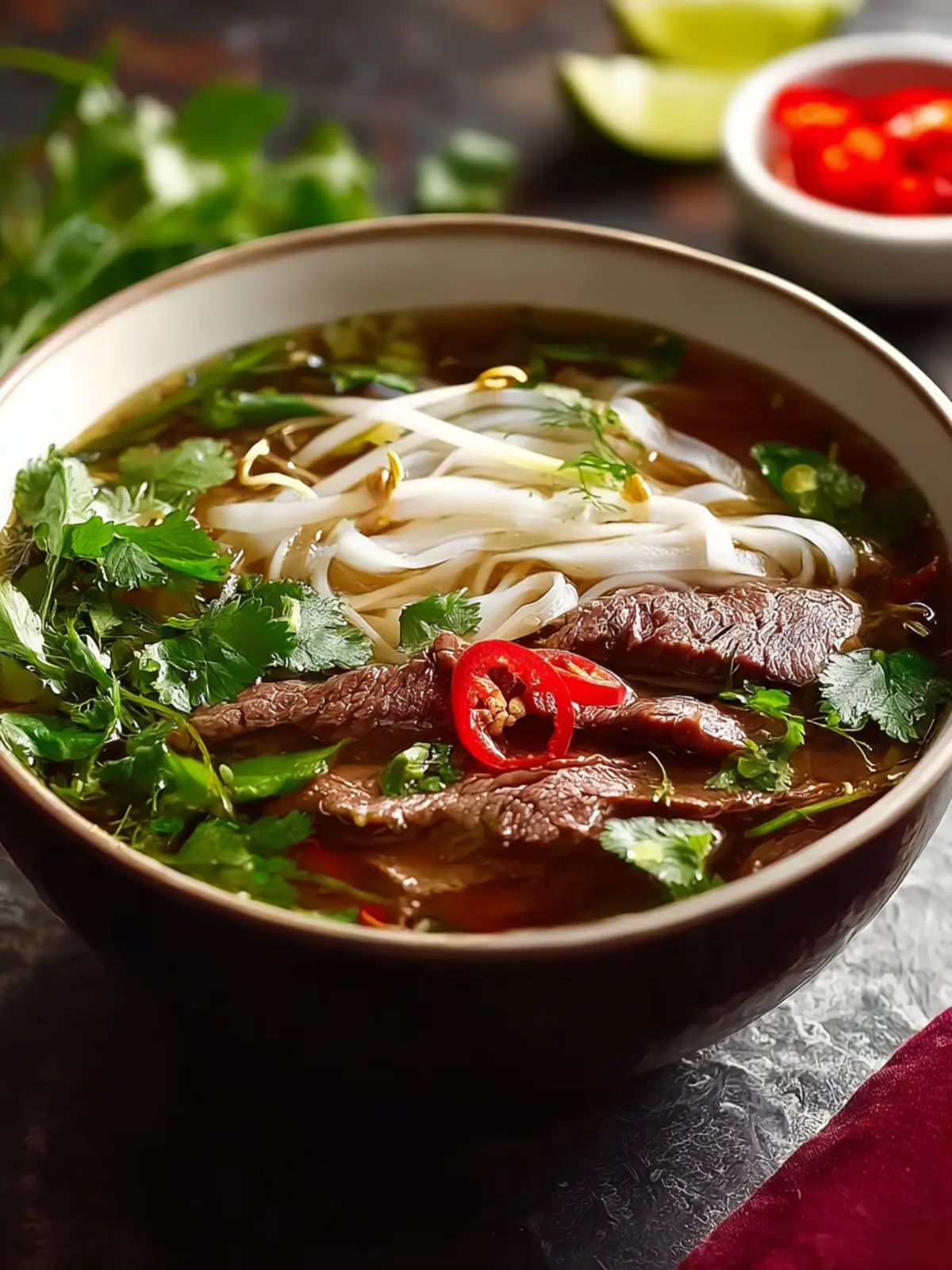
Cooking Tips for Vietnamese Beef Pho
Crafting the perfect Vietnamese beef pho at home can feel like a culinary adventure. This aromatic soup, bursting with flavors, is a beloved dish that embodies the heart of Vietnamese cuisine. But don’t be daunted; armed with the right tips, you’ll have a delightful bowl of pho that rivals any restaurant.
Selecting Your Broth Ingredients
The broth is the soul of your Vietnamese beef pho. Aim for high-quality beef bones, preferably marrow bones, as they contribute a rich, deep flavor. Roasting the bones along with the onions and ginger before simmering them will enhance the broth’s complexity. Try to simmer the broth for at least 6-8 hours for maximum flavor extraction.
Choosing Your Noodles
For the best experience, choose flat rice noodles labeled “bánh phở.” Depending on your preference, you can opt for either the thin or wider variety. Soak them in hot water just until they are pliable, then add them to your bowl before ladling on the hot broth—this ensures they don’t overcook.
Fresh Herbs Make All the Difference
Fresh herbs are essential for that authentic touch. Use Thai basil, cilantro, and bean sprouts as garnishes, and don’t forget a squeeze of fresh lime juice to brighten the dish. The balance of flavors is what makes each spoonful exciting!
With these tips, you’re well on your way to mastering the art of Vietnamese beef pho. Enjoy the process, and don’t hesitate to tweak the flavor to match your palate. Happy cooking!
Time Breakdown for Making Vietnamese Beef Pho
The soul of Vietnamese Beef Pho lies not just in its rich flavors but also in the time you dedicate to crafting it. Whether it’s a chilly evening or you’re in the mood for something heartwarming, knowing how to manage your time effectively can make your cooking experience much smoother.
Preparation Time
The joy of creating Vietnamese Beef Pho begins with about 30 minutes of preparation. This includes gathering your ingredients, slicing the beef, and preparing the aromatic spices that will elevate your broth. The right prep work sets the foundation for a delicious meal.
Cooking Time
Once you’re all set, the cooking time takes about 2 to 3 hours. Most of this time is spent simmering the broth to extract all the lovely flavors from the beef bones and spices. Trust me, this is when your kitchen will start to smell incredible.
Total Time
Adding it all up, you’re looking at a total of around 3 to 3.5 hours. While it might seem lengthy, the satisfaction of enjoying a homemade Vietnamese Beef Pho is well worth the investment. Plus, the leftovers taste even better the next day!
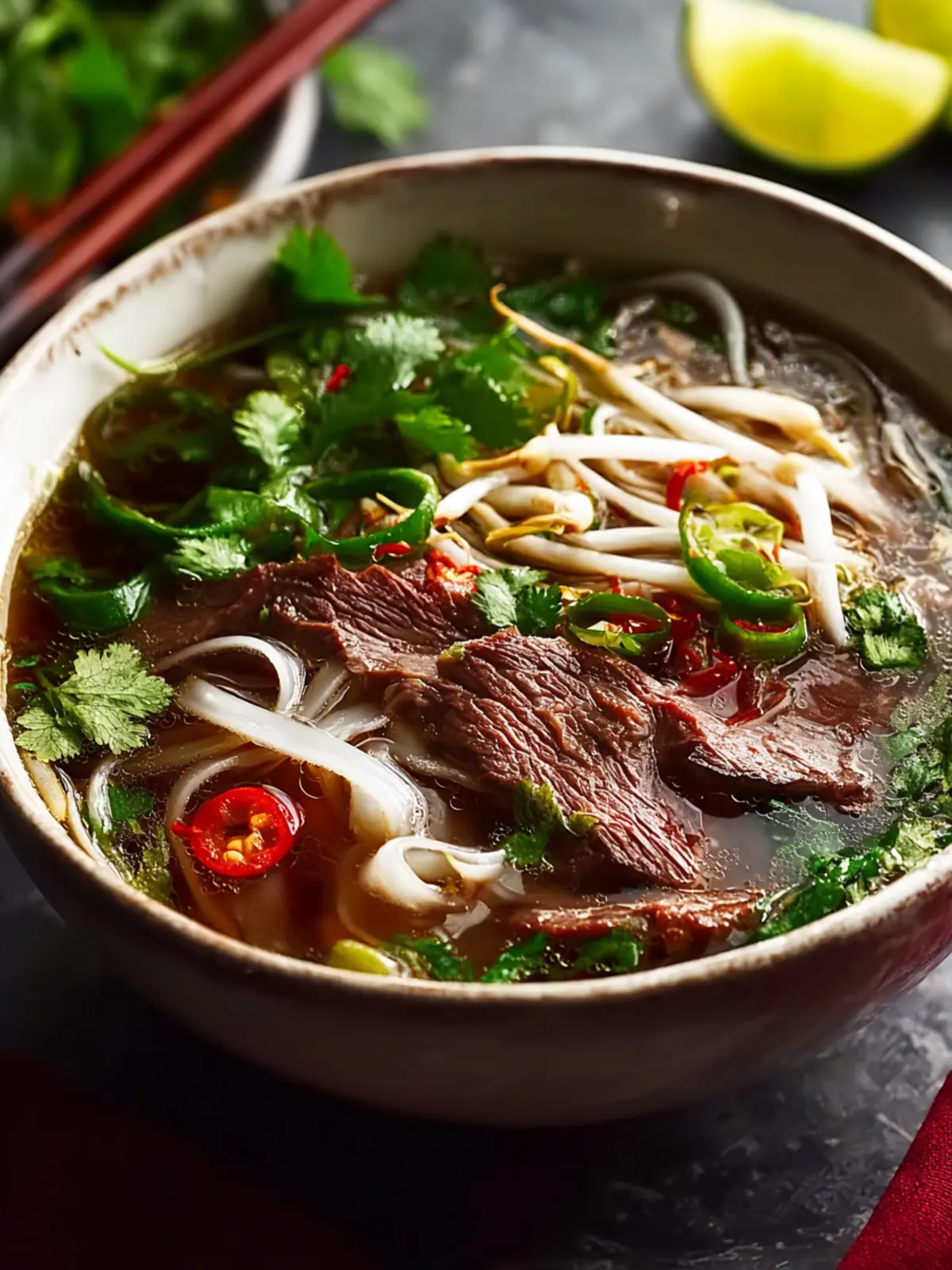
Nutritional Facts for Vietnamese Beef Pho
Discovering the nutritional facts for Vietnamese beef pho unveils the wholesome qualities of this beloved dish. Each serving of this aromatic soup offers a satisfying blend of flavors and nutrients that not only comforts the soul but also supports a balanced diet.
Calories per Serving
A typical serving of Vietnamese beef pho contains approximately 350 calories. This makes it a satisfying meal option without excessive calorie counts, perfect for those busy days when you’re on the go.
Protein Content
Protein lovers rejoice! Each bowl delivers about 25 grams of protein thanks to the tender, flavorful beef. This protein content is essential for muscle repair and overall health, making pho a great choice after a workout or long day.
Sodium Levels
While flavorful, you’ll want to be mindful of the sodium levels. A typical serving can contain around 900 milligrams of sodium, primarily from the broth and sauces. This is important to consider if you’re watching your sodium intake, but the rich flavors are worth it in moderation.
FAQs about Vietnamese Beef Pho
Creating the perfect bowl of Vietnamese beef pho involves a blend of techniques and love for authenticity. While experimenting, you might have questions crop up. Here are some common queries that can help elevate your pho-making experience.
How can I make my beef pho broth clearer?
A clear broth is key to a beautiful Vietnamese beef pho. Start by blanching your beef bones in boiling water for about 10 minutes, then rinse them under cold running water to eliminate impurities. This simple step can significantly enhance the clarity of your broth. Additionally, skimming off any foam or fat that rises to the surface during simmering will keep your broth looking pristine.
What are the best substitutes for rice noodles?
If you find yourself without rice noodles for your Vietnamese beef pho, you can use alternatives like:
- Gluten-free rice sticks: They give a similar texture and flavor.
- Udon noodles: If you’re open to a thicker noodle, udon works well in a pinch.
- Zucchini noodles: For a healthy twist, spiralized zucchini can serve as a low-carb option.
Just keep in mind that these substitutes may alter the overall flavor and texture of your dish slightly.
Can I freeze pho broth for later use?
Absolutely! Freezing your Vietnamese beef pho broth is a fantastic way to have a delicious base ready for future meals. Simply cool the broth completely before transferring it to airtight containers or freezer-safe bags. It’s best to strain the broth first to keep it as clear as possible. When you’re ready to use it, just thaw in the fridge overnight, and reheat on the stove for a quick and delightful pho!
Conclusion on Vietnamese Beef Pho
In wrapping up our journey through the world of Vietnamese beef pho, it’s evident that this dish is more than just a meal; it’s a comforting embrace on a rainy day, a shared experience among friends, and a canvas for creativity in your kitchen.
By following the rich recipe that combines tender beef, fragrant spices, and silky noodles, you’re not only nourishing your body but also delighting your taste buds with each spoonful. So, gather your ingredients, allow the aromatic broth to simmer, and let the cultural richness of Vietnam transport you to its bustling streets. Embrace the process, enjoy every bite, and savor the warmth that Vietnamese beef pho brings to your home.
Print
Beef Pho
- Total Time: 8 hours 20 minutes
- Yield: 6 servings 1x
- Diet: Gluten-Free
Description
A fragrant and hearty Vietnamese soup made with beef bones, fresh herbs, and rice noodles.
Ingredients
Scale
- 2 lbs beef marrow or knuckle bones
- 1 lb beef brisket (optional)
- 1 large onion, halved
- 3-inch piece of ginger, halved lengthwise
- 2 star anise
- 1 cinnamon stick
- 4 whole cloves
- 1 tsp coriander seeds
- 1 black cardamom pod (optional)
- 2 tbsp fish sauce
- 1 tbsp rock sugar or brown sugar
- 8 cups water
- 14 oz rice noodles (banh pho)
- 1/2 lb thinly sliced eye of round or sirloin
- 1 cup fresh cilantro leaves
- 1 cup Thai basil leaves
- 1/2 cup fresh mint leaves
- 2 cups bean sprouts
- 2 limes, cut into wedges
- 2 jalapeños, sliced
- Hoisin sauce, for serving
- Sriracha sauce, for serving
Instructions
- Parboil beef bones in boiling water for 10 minutes, then drain and rinse.
- Char onion and ginger under broiler or over open flame until blackened.
- Add bones, charred onion and ginger, spices, and water to a large pot. Simmer for 6–8 hours.
- Skim impurities, then strain the broth. Season with fish sauce and sugar.
- Cook rice noodles per package instructions. Prepare garnishes.
- In serving bowls, add noodles and raw beef slices. Ladle over hot broth to cook the beef.
- Garnish with herbs, sprouts, lime, and sauces to your liking.
Notes
- This recipe is great for cold weather.
- Feel free to adjust the seasoning to your taste.
- Prep Time: 20 minutes
- Cook Time: 8 hours
- Category: Soup
- Method: Simmering
- Cuisine: Vietnamese
Nutrition
- Serving Size: 1 bowl
- Calories: 600
- Sugar: 1g
- Sodium: 1500mg
- Fat: 30g
- Saturated Fat: 10g
- Unsaturated Fat: 15g
- Trans Fat: 0g
- Carbohydrates: 60g
- Fiber: 3g
- Protein: 45g
- Cholesterol: 90mg