Follow Me On Social Media!

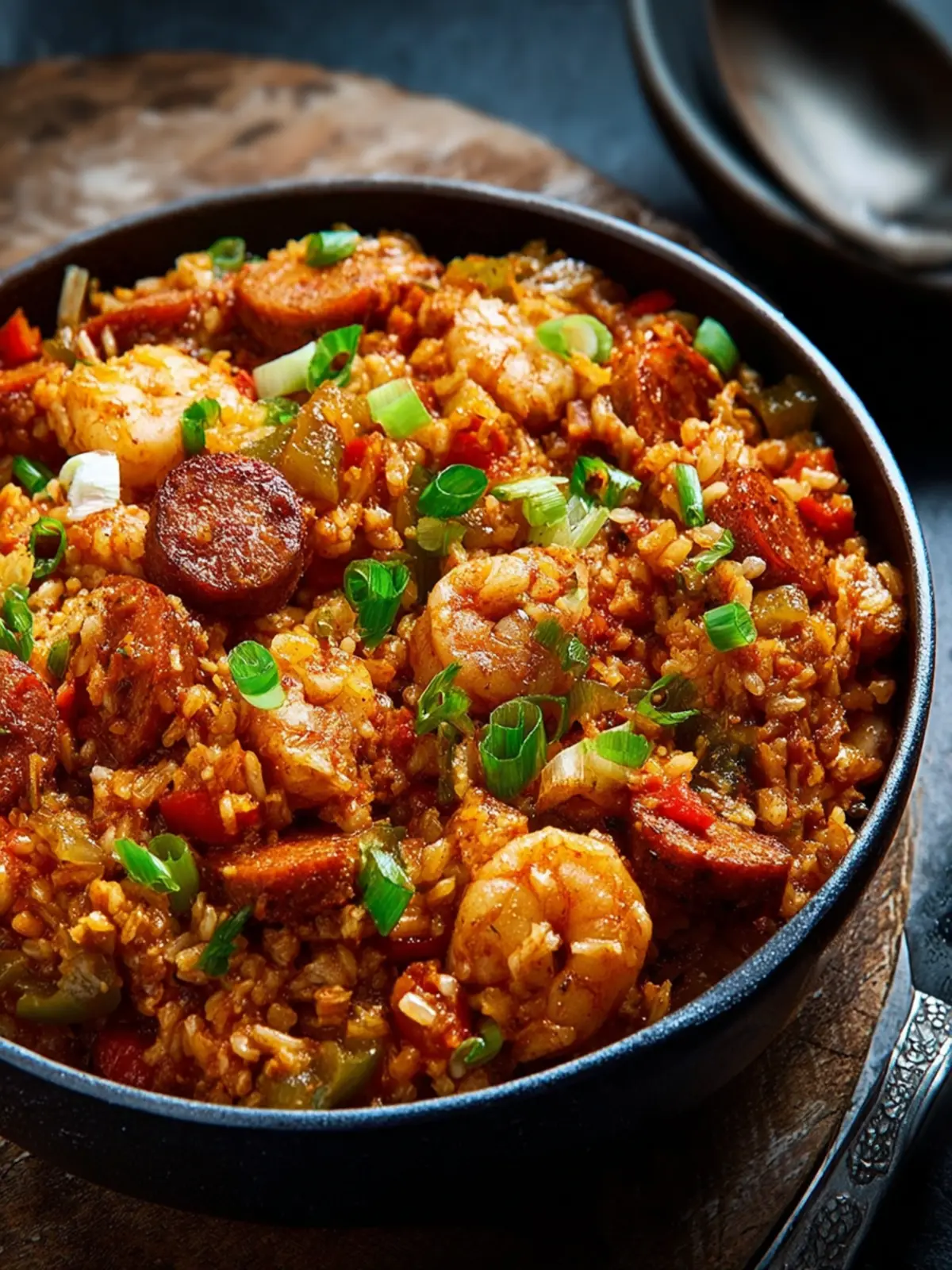
Jambalaya Magic: Savory Comfort in Every Bite!

Introduction to Jambalaya
If you’ve ever had the privilege of savoring jambalaya, you know that it’s more than just a meal; it’s a celebration of culture and flavor that stands tall among the culinary treasures of Louisiana. Originating from New Orleans, this dish tells a delicious tale of Cajun and Creole heritage, seamlessly blending traditions and spices into one memorable bowl. Each spoonful is a reminder of vibrant gatherings, where the rhythm of jazz mingles with the warmth of shared stories and laughter.
You might be wondering, what exactly makes jambalaya so special? It’s not just the rich flavors and hearty ingredients, but also the versatility that sets it apart. Jambalaya reflects the spirit of its creators—nothing is wasted, and every ingredient plays a vital role in creating a dish that is as filling as it is satisfying. You can customize it according to preference or seasonal offerings, making it perfect for everything from casual weeknight dinners to festive family feasts.
This iconic dish features a harmonious blend of meats, such as chicken, sausage, and shrimp, alongside rice that soaks up all that flavorful broth. The base—a mix of onions, bell peppers, and celery, known as the Holy Trinity—adds an aromatic depth that elevates the dish from simple to extraordinary. Each ingredient carries a piece of cultural significance, telling stories of traditions handed down through generations.
Moreover, jambalaya is a dish of inclusivity. Whether you prefer it spicy or mild, packed with seafood or loaded with veggies, there’s a version of jambalaya for everyone. It invites you to experiment, to share, and to experience the joy of cooking, appealing to both seasoned chefs and novice cooks alike.
In the following sections, I’ll guide you through how to recreate this delightful dish in your kitchen, bringing a taste of the South right to your dining table. So, roll up your sleeves and get ready to dive into the world of jambalaya—you’re in for a treat!
Key Ingredients for Jambalaya
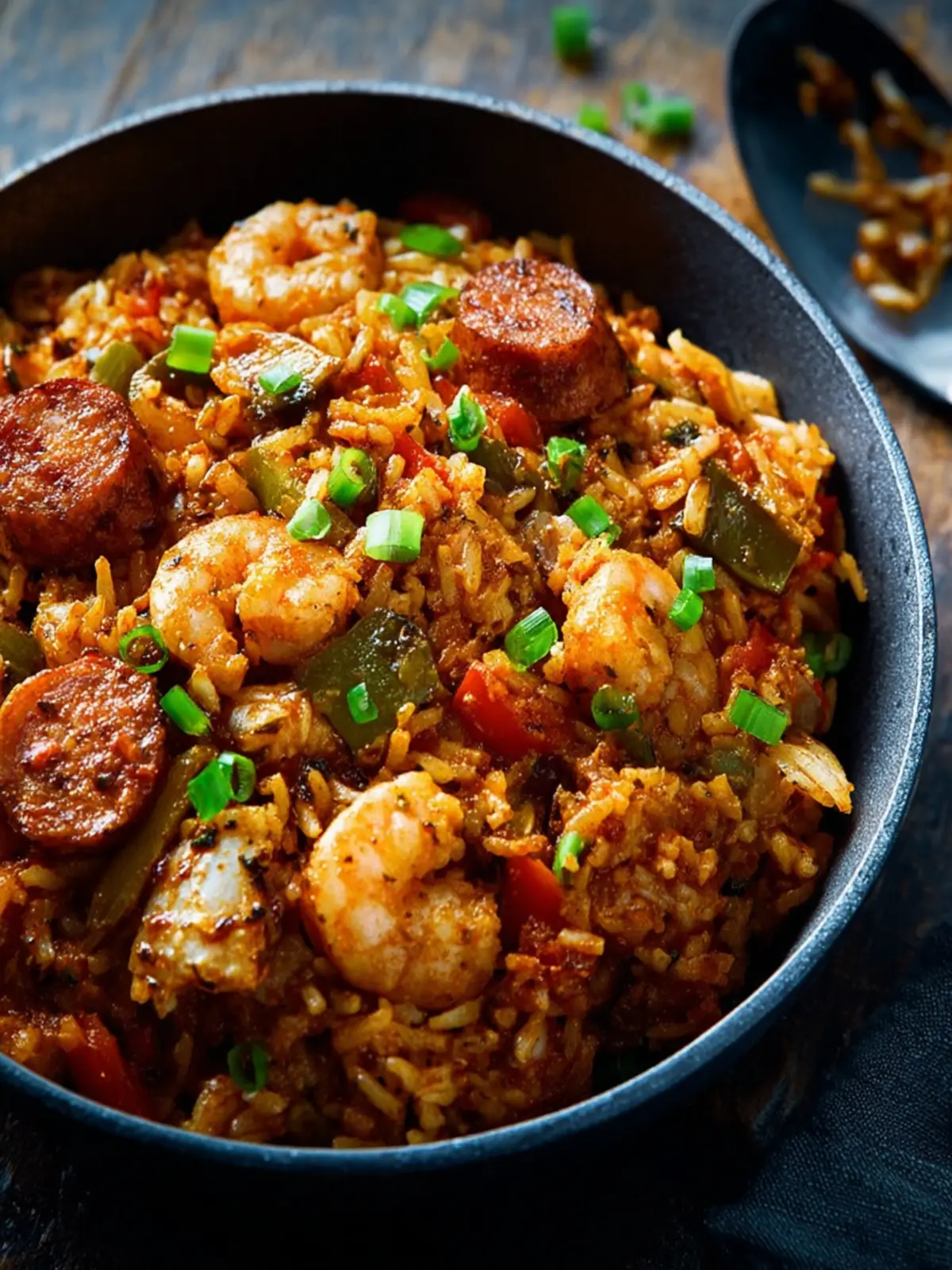
Creating a mouthwatering jambalaya is all about the combination of fresh, vibrant ingredients that come together to tell a delicious story. Each component plays a critical role in crafting this classic dish, making it a favorite on dinner tables everywhere.
Rice: A robust long-grain rice is the foundation of any jambalaya. It absorbs the flavorful broth beautifully while maintaining its texture.
Proteins: I love using a mix of proteins—think succulent chicken, smoky sausage, and fresh shrimp. This trio not only adds variety but also balances the dish with different textures and tastes.
Vegetables: Diced onions, bell peppers, and celery form the holy trinity of Cajun cooking. They provide a fragrant base that enhances the flavor profile as they sauté.
Tomatoes: Canned diced tomatoes ensure a rich, tangy depth to the dish. They also add moisture, helping the rice to cook perfectly.
Spices: A blend of paprika, cayenne, and thyme wraps everything in a warm embrace, making each bite a comforting experience.
These key ingredients work harmoniously in your jambalaya, ensuring every pot is a celebration of flavor and culture.
Why You’ll Love This Jambalaya
There’s something magical about a steaming pot of jambalaya that transcends the ordinary dinner experience, transporting you straight to the vibrant streets of New Orleans. This dish marries flavors and cultures, making it not only comforting but a culinary adventure in every bite.
Flavor Explosion
One of the standout features of this jambalaya is its ability to conjure a delightful explosion of flavors. The blend of smoky sausage, succulent shrimp, and tender chicken create a harmony that dances on your palate. Each ingredient complements the other beautifully, allowing for a multi-layered taste that keeps you coming back for more.
Convenience and Versatility
Think of jambalaya as your new go-to for weeknight meals or weekend gatherings. It’s incredibly easy to prepare in one pot, cutting down on dishes while delivering a hearty meal. Plus, the recipe is highly adaptable. Feel free to swap ingredients based on your preferences or what you have on hand—veggies, proteins, or spices can be easily tailored to suit your taste!
Nourishing and Satisfying
Whether you’re looking for comfort food after a long day or planning a feast with friends, jambalaya fits the bill perfectly. It’s satisfying, full of nutrients, and will leave your guests raving about your cooking skills. Why settle for anything less when you can create a dish that brings everyone around the table?
Cooking Tips and Notes for Jambalaya
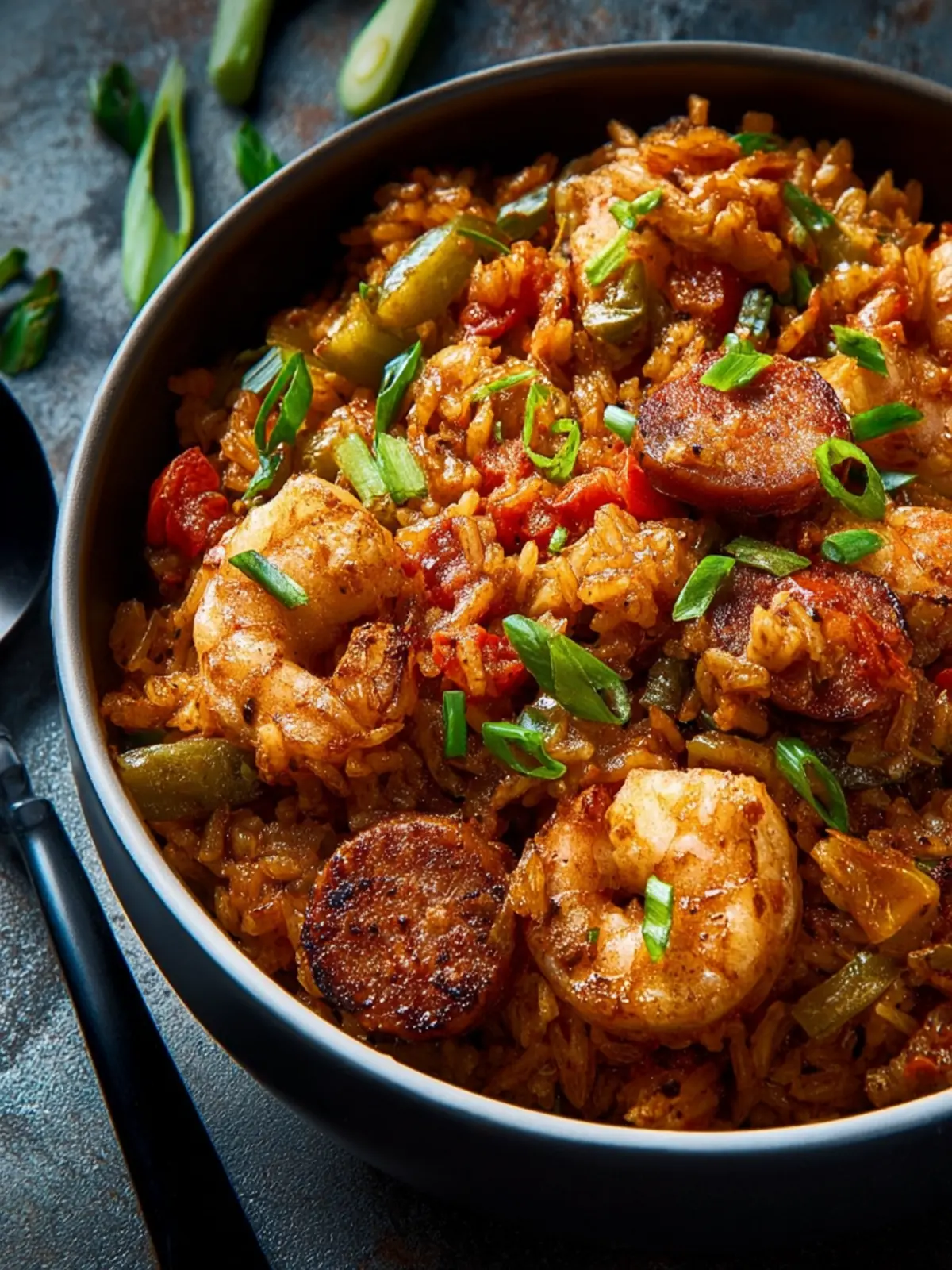
Crafting the perfect jambalaya is not just about tossing together ingredients; it’s about celebrating flavors and traditions. Imagine standing in a bustling kitchen, the aroma of spices dancing in the air, bringing the heart of Louisiana to your home. Here are some tips to elevate your jambalaya experience.
Select Your Proteins Wisely
Variety is key in jambalaya. Opt for a mix of proteins: juicy chicken, succulent sausage, and tender shrimp create a harmonious blend. Don’t hesitate to experiment with other proteins like crawfish or even tofu if you’re feeling adventurous.
Spice It Up
Your choice of spices can define your dish. I recommend using smoked paprika and cayenne pepper for that deep flavor with a kick. Remember, you can always adjust the spice level to suit your palate—start with less if you prefer milder heat.
Rice Matters
Use long-grain rice for the best texture. It absorbs flavors beautifully and stays fluffy rather than clumpy. Rinse the rice beforehand to remove excess starch, ensuring it cooks evenly.
Patience is a Virtue
Allow your jambalaya to simmer undisturbed. Resist the urge to stir too frequently; this helps develop a flavorful crust at the bottom known as the “socarrat,” which everyone will love.
Taste and Adjust
Always taste your dish as you cook. This is crucial! Add a pinch of salt or a splash of Tabasco until it reaches that perfect balance you love.
Embrace the process, and your homemade jambalaya will surely be a hit at the dinner table. Enjoy!
Serving Suggestions for Jambalaya
Jambalaya is more than just a dish; it’s a social experience steeped in rich tradition and flavor. After eagerly serving up your jambalaya, consider pairing it with side dishes and garnishes that enhance its bold taste.
-
Crusty Bread: Serve your jambalaya with a side of fresh French baguette or garlic bread. The robust seasoning of jambalaya beautifully contrasts with the bread’s soft texture, allowing you to soak up every bit of flavorful sauce.
-
Salad Duo: A simple green salad with vinaigrette or a zesty coleslaw can cut through the richness of the dish. It’s a refreshing accompaniment that adds color and crunch, balancing the heartiness of your jambalaya.
-
Garnish Wisely: Fresh parsley or green onions sprinkled on top can elevate the visual appeal and freshness. For those who enjoy a little heat, consider serving with hot sauce on the side.
-
Beverage Pairings: A chilled glass of sweet tea or a light white wine complements the spicy notes perfectly.
Remember, the key is to create a meal that invites sharing and enjoyment!

Time Breakdown for Jambalaya
Embarking on the journey of crafting a delicious bowl of jambalaya is not just about the flavors; it’s a delightful experience that unfolds over time. Understanding the timing can make your cooking even more enjoyable. Here’s a helpful breakdown of what to expect:
Preparation Time
Setting the stage for a successful jambalaya starts with about 15–20 minutes of preparation. This includes chopping your vegetables and measuring out spices and proteins, ensuring a smooth cooking process.
Cooking Time
Once everything is prepped, the magical cooking begins. Expect to spend around 30–40 minutes cooking your jambalaya. This time allows the flavors to meld beautifully while the rice absorbs all those hearty ingredients.
Total Time
In total, you’ll invest roughly 50–60 minutes from start to finish to enjoy your homemade jambalaya. It’s a small commitment for a dish that delivers big flavor!
Nutritional Facts for Jambalaya
Diving into the heart of your jambalaya evokes a rich tapestry of flavors, colors, and scents that captivate the senses. But for those mindful of their eating habits, understanding the nutritional facts is just as important as perfecting this delicious dish. Here’s a clear breakdown of what’s packed inside a serving of jambalaya:
Calories
A hearty serving of jambalaya typically contains around 300-350 calories. This makes it a filling meal, perfect for after a long day of work.
Protein
Loaded with proteins from chicken, sausage, and shrimp, jambalaya offers about 20-25 grams of protein per serving. It’s an excellent choice for muscle repair and energy.
Sodium
Being a dish rich in bold flavors often comes with a higher sodium content, usually ranging from 800-1200 mg per serving. Balancing this with low-sodium broth can help manage intake while still enjoying the flavors you love.
FAQs about Jambalaya
Jambalaya isn’t just a dish; it’s a celebration of culture and flavor. With its roots in Louisiana Creole cooking, it brings together a thrilling medley of ingredients that tantalize your taste buds. If you’re diving into the world of jambalaya for the first time or looking for ways to improve your cooking, here are some frequently asked questions that might help.
What are the different types of jambalaya?
There are mainly three styles of jambalaya: Creole, Cajun, and White.
- Creole Jambalaya: Often referred to as “red jambalaya,” it’s made with tomatoes, adding a depth of flavor and a gorgeous hue.
- Cajun Jambalaya: This version typically omits tomatoes and relies on stock and an array of spices for flavor.
- White Jambalaya: A milder form where chicken and sausage are featured prominently without the red sauce, focusing on the ingredients themselves.
Can I make jambalaya in advance?
Absolutely! In fact, jambalaya often tastes even better the next day. Make it ahead and store it in an airtight container in the fridge. Just reheat gently when you’re ready to serve.
Is jambalaya gluten-free?
Yes, traditional jambalaya is gluten-free, especially when made with rice, vegetables, and protein. However, if you add any processed ingredients, always check the labels just to be sure.
How can I adjust the spice level?
To dial in the spice, start by controlling the amount of Cajun seasoning you use. You can also add sliced jalapeños, cayenne pepper, or even hot sauce at the end for a personal touch.
What can I serve with jambalaya?
Pair your jambalaya with a fresh green salad, crusty French bread, or even a side of gumbo for a true taste of Louisiana. Enjoying it with a classic beverage, like sweet tea, can elevate your meal experience!
Conclusion on Jambalaya
In wrapping up our exploration of delicious jambalaya, it’s clear that this dish transcends mere sustenance; it’s a celebration of flavor, culture, and companionship. Each ingredient, from succulent seafood to hearty sausage, plays a vital role in crafting a symphony of tastes that warms the heart. Cooking jambalaya is not just about following a recipe; it’s about embracing creativity and personal touches that make it uniquely yours. So whether you’re sharing this dish at a special gathering or enjoying a cozy night in, remember, the best jambalaya brings everyone together around the table, fostering memories to cherish. Enjoy your culinary adventure!
Print
Chicken and Sausage Jambalaya
- Total Time: 55 minutes
- Yield: 4 servings 1x
- Diet: Gluten-Free
Description
A delicious and hearty jambalaya recipe that features chicken, andouille sausage, and shrimp simmered with rice and a blend of spices.
Ingredients
Scale
- 1 tablespoon olive oil
- 1 lb chicken breast or thighs, cut into bite-sized pieces
- 8–12 ounces chicken andouille sausage, sliced into ¼ inch thick rounds
- 8–16 ounces large raw shrimp (peeled and deveined)
- 1 large onion, diced
- 4–6 cloves garlic, roughly chopped
- 3 ribs of celery, sliced
- 1 red bell pepper, diced
- 1 green bell pepper, diced
- 1/2 a jalapeno, finely chopped (more or less depending on heat tolerance)
- 1 1/2 cups extra long-grain white rice (or use basmati or jasmine)
- 2 heaping teaspoons smoked paprika
- 1 teaspoon dry thyme
- 1 teaspoon dry ground sage or oregano
- ½ teaspoon ground mustard powder
- 2 bay leaves
- 14-ounce can of crushed tomatoes (or blend 1 ½ cups tomatoes in a blender)
- 3–4 cups of chicken broth (or shellfish broth)
- 1 teaspoon salt, more to taste
- 1 teaspoon black pepper
- Garnish: green onions and hot sauce
Instructions
- Heat olive oil in a large 12-inch skillet over medium-high heat. Add the chicken pieces and season with salt and pepper. Brown it, but no need to cook it through, lowering the heat if necessary. Scoop this onto a large plate.
- To the same pan, add the sausage, browning both sides, then place it with the chicken. Add the shrimp and quickly brown both sides, giving it some color. Place it with the sausage and chicken.
- To the same pan (wipe it out if you want) add a little more olive oil. Add the onions and garlic and saute over medium-high heat until fragrant and tender.
- Lower the heat to medium, add the celery, bell peppers, and jalapeno, and stir until just softened.
- Add the rice, smoked paprika, thyme, sage or oregano, mustard powder, bay leaves, and give a good stir for one minute.
- Stir in the crushed tomatoes and 3 cups of the chicken broth, then season with salt and pepper. Add the chicken, sausage, and any optional veggies. (Wait to add the shrimp.) Bring to a simmer, cover, and cook over medium-low heat for 25-30 minutes, until the rice is perfectly tender. Stir every 7 minutes or so to prevent burning, adding more broth as needed.
- When the rice is almost done, nestle in the seared shrimp. Continue cooking, covered, until the shrimp is cooked through and the rice is tender.
- Adjust salt and pepper to taste. Serve with green onions and optional hot sauce.
Notes
- *See notes on broth quantity as it may vary based on rice type and desired consistency.
- Prep Time: 15 minutes
- Cook Time: 40 minutes
- Category: Dinner
- Method: Stovetop
- Cuisine: Cajun
Nutrition
- Serving Size: 1 cup
- Calories: 600
- Sugar: 3g
- Sodium: 950mg
- Fat: 20g
- Saturated Fat: 5g
- Unsaturated Fat: 12g
- Trans Fat: 0g
- Carbohydrates: 70g
- Fiber: 3g
- Protein: 40g
- Cholesterol: 150mg