Follow Me On Social Media!

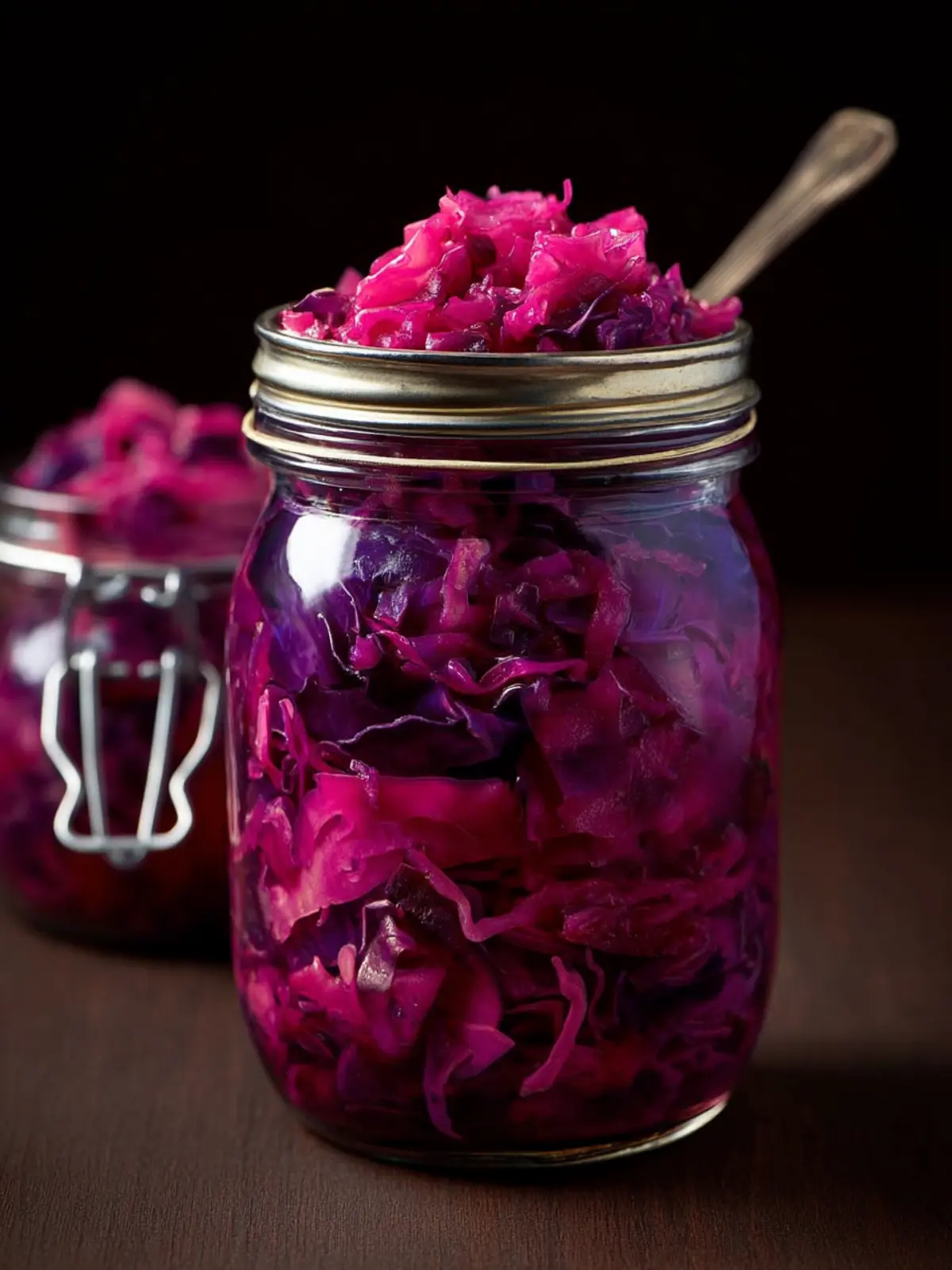
Beet and Cabbage Sauerkraut: The Best Homemade Brilliance

Introduction to Beet and Cabbage Sauerkraut
Making Beet and Cabbage Sauerkraut at home is not just a culinary endeavor; it’s an experience steeped in tradition and the joy of fermentation. Picture this: vibrant purple beets and crisp, hearty cabbage, mingling together to create a tangy, crunchy delight that you can top on sandwiches or enjoy as a side. The beauty of this recipe lies not only in its deliciousness but also in the fermentation process that transforms simple vegetables into a probiotic powerhouse.
The joy of homemade fermentation
When you take the plunge into the world of home fermentation, you unlock a gateway to flavors that are both rich and complex. There’s something deeply satisfying about watching your vegetables transform over the days, enhancing their natural flavors while adding beneficial probiotics that are great for gut health. The act of fermenting is akin to an art form; it requires patience, curiosity, and a touch of intuition.
The process of making Beet and Cabbage Sauerkraut is surprisingly simple yet highly rewarding. You simply chop up your ingredients, mix them with salt, and let nature do its thing. The vibrant color of the beets not only adds a visual appeal but also an earthy sweetness that balances the tanginess of the cabbage.
Moreover, fermentation isn’t just about flavor—it’s a way to preserve the seasonal bounty of vegetables. Many of us struggle with food waste, especially with fresh produce. By fermenting, you extend the life of your vegetables, creating a delicious condiment that can accompany your meals for weeks. Whether you’re serving it alongside meats, on a salad, or even enjoying it straight from the jar, this sauerkraut can elevate any dish.
So, grab your cabbage and beets, roll up your sleeves, and let’s dive into the wonderful world of homemade Beet and Cabbage Sauerkraut. Your taste buds will thank you!

Key Ingredients for Beet and Cabbage Sauerkraut
Beet and Cabbage Sauerkraut is a delightful way to enjoy the natural flavors of these vibrant vegetables. Each ingredient plays a pivotal role in crafting a tangy, crunchy treat that can elevate any meal.
Red Cabbage: I use small red cabbage for its stunning color and satisfying crunch. The natural sweetness of this cabbage shines through, creating a delightful harmony with the tanginess achieved through fermentation.
Beets: Grated raw beets add an earthy depth and vibrant hue. There’s no need to peel them, as their skin holds valuable nutrients that benefit your health.
Red Onion: While optional, sliced red onion brings an extra zing to the mix, enhancing the sauerkraut’s flavor complexity and making each bite a bit more interesting.
Sea Salt: Salting is a key factor for successful fermentation, so I always recommend using high-quality mineral or sea salt to achieve the best flavor and texture.
Caraway Seeds: Just a teaspoon of caraway seeds contributes an aromatic quality to the sauerkraut, setting it apart from traditional recipes.
Garlic and Ginger: I incorporate sliced garlic and freshly grated ginger for a lively kick of zestiness, complementing the cabbage and beets beautifully. This addition not only enhances the flavor but also adds a health boost!
Why You’ll Love This Beet and Cabbage Sauerkraut
Discovering how to make Beet and Cabbage Sauerkraut has been a delightful journey, one that combines tradition with nourishment, tangy flavors with crunchy textures. This vibrant mix of beets and cabbage not only tastes exceptional, but it also comes packed with benefits that will make you rethink your usual side dish choices.
The Health Benefits of Fermentation
Fermented foods are not just trendy; they are a powerhouse of health benefits. By incorporating Beet and Cabbage Sauerkraut into your meals, you open the door to a host of goodness:
- Probiotics: The fermentation process produces beneficial bacteria, which support gut health and digestion. A well-balanced gut can lead to improved mood and overall wellness.
- Nutrient Absorption: Fermentation helps unlock nutrients in foods, making them more bioavailable to your body. Your body will absorb vitamins and minerals more effectively.
- Antioxidants: Beets are known for their antioxidative properties, targeting inflammation and promoting heart health. This simple dish becomes a vibrant ally in your health arsenal.
- Low in Calories: Perfect for those watching their weight, this sauerkraut is low in calories but high in flavor, making it a satisfying addition to salads or sandwiches.
Incorporate this Beet and Cabbage Sauerkraut into your diet, and you’ll not just love the taste; you’ll love your body for it too!
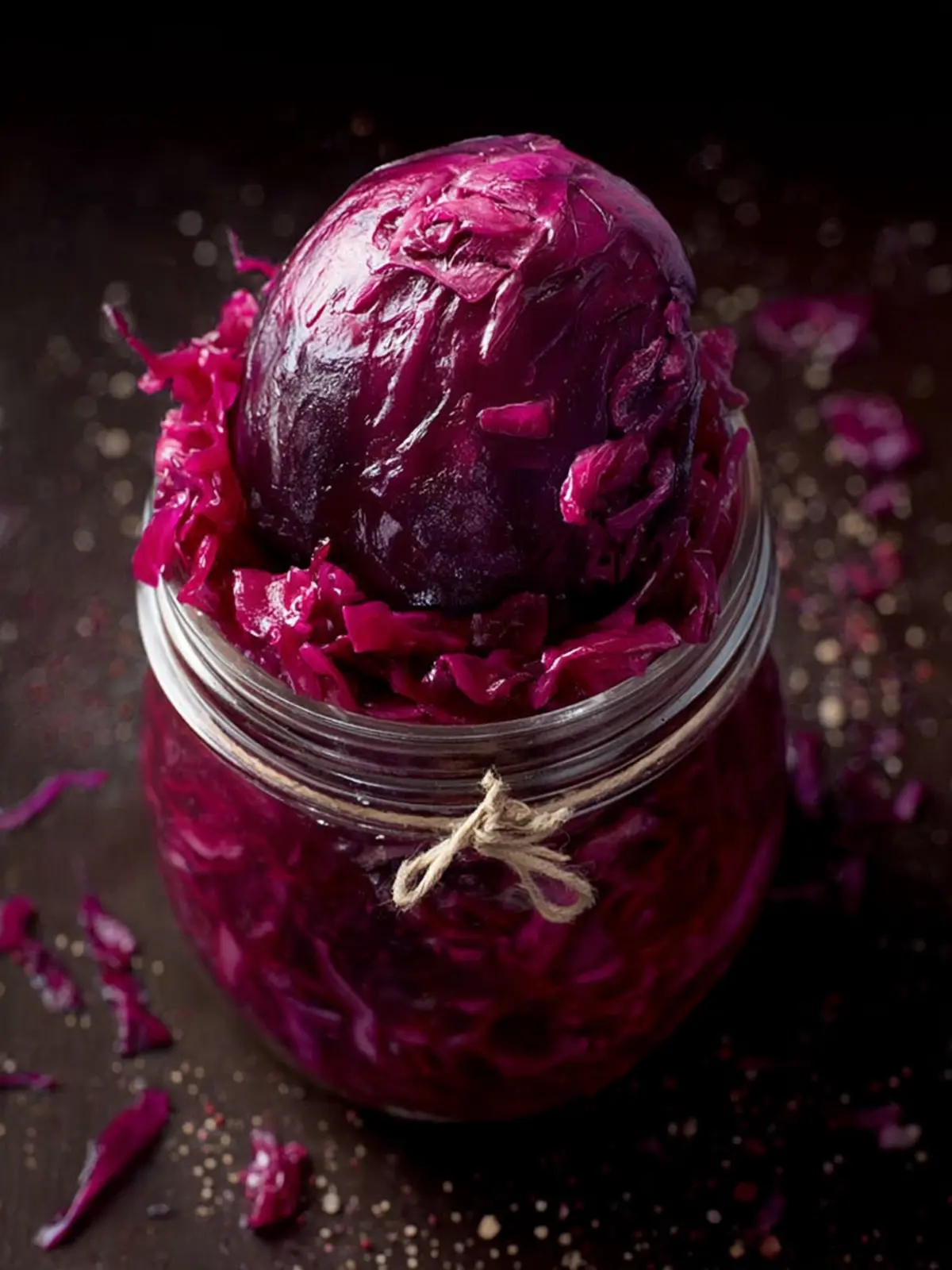
Tips for Making Perfect Beet and Cabbage Sauerkraut
Creating a vibrant and flavorful Beet and Cabbage Sauerkraut can be a rewarding kitchen project, but sometimes things don’t go exactly as planned. Here’s how to troubleshoot some common fermentation issues.
Troubleshooting Common Fermentation Issues
-
Texture Problems: If your sauerkraut feels too mushy, it could be due to over-mixing. Ensure you gently massage the vegetables while mixing rather than aggressively squishing them.
-
Insufficient Saltiness: Properly salting your Beet and Cabbage Sauerkraut is crucial for flavor and preservation. If it tastes bland after fermentation, try adding a bit more salt during the mixing process or use a salt water brine for future batches.
-
Mold Development: Don’t fret if you see a bit of surface mold—this can be normal! Just skim it off. However, if your sauerkraut smells off or has discolored spots, it’s best to discard it for safety.
-
Fermentation Not Happening: If your sauerkraut isn’t bubbling or doesn’t smell tangy after a week, ensure it’s kept in a warm spot between 65-75°F. Sometimes, just shifting it to a warm area can encourage fermentation.
-
Bubbles but No Flavor: If fermentation is happening, but the taste is still flat, consider adjusting your spice levels. Adding garlic, caraway seeds, or even a touch of ginger can kick up the flavor profile.
By keeping these tips in mind, you’re sure to achieve that delightful, crunchy, and vibrant Beet and Cabbage Sauerkraut that brightens any meal!
Time Breakdown for Making Beet and Cabbage Sauerkraut
Creating your own Beet and Cabbage Sauerkraut at home is not just a culinary adventure—it’s a delightful way to embrace healthier eating while enjoying bold flavors. Here’s how you can plan your time for this rewarding fermentation process:
Preparation time
The prep is straightforward, taking about 30 minutes to finely shred the cabbage and beets and mix in the salt and spices. Trust me, after the first batch, you’ll get it down to a science!
Fermentation time
Once prepared, your sauerkraut needs time to ferment, ideally around 1 to 4 weeks. The longer it ferments, the more complex the flavors become! You’ll want to check it weekly and taste as it develops.
Total time
In total, expect to dedicate approximately 1 month from prep to enjoying your Beet and Cabbage Sauerkraut. The waiting is part of the fun as you watch your creation bubble to life!
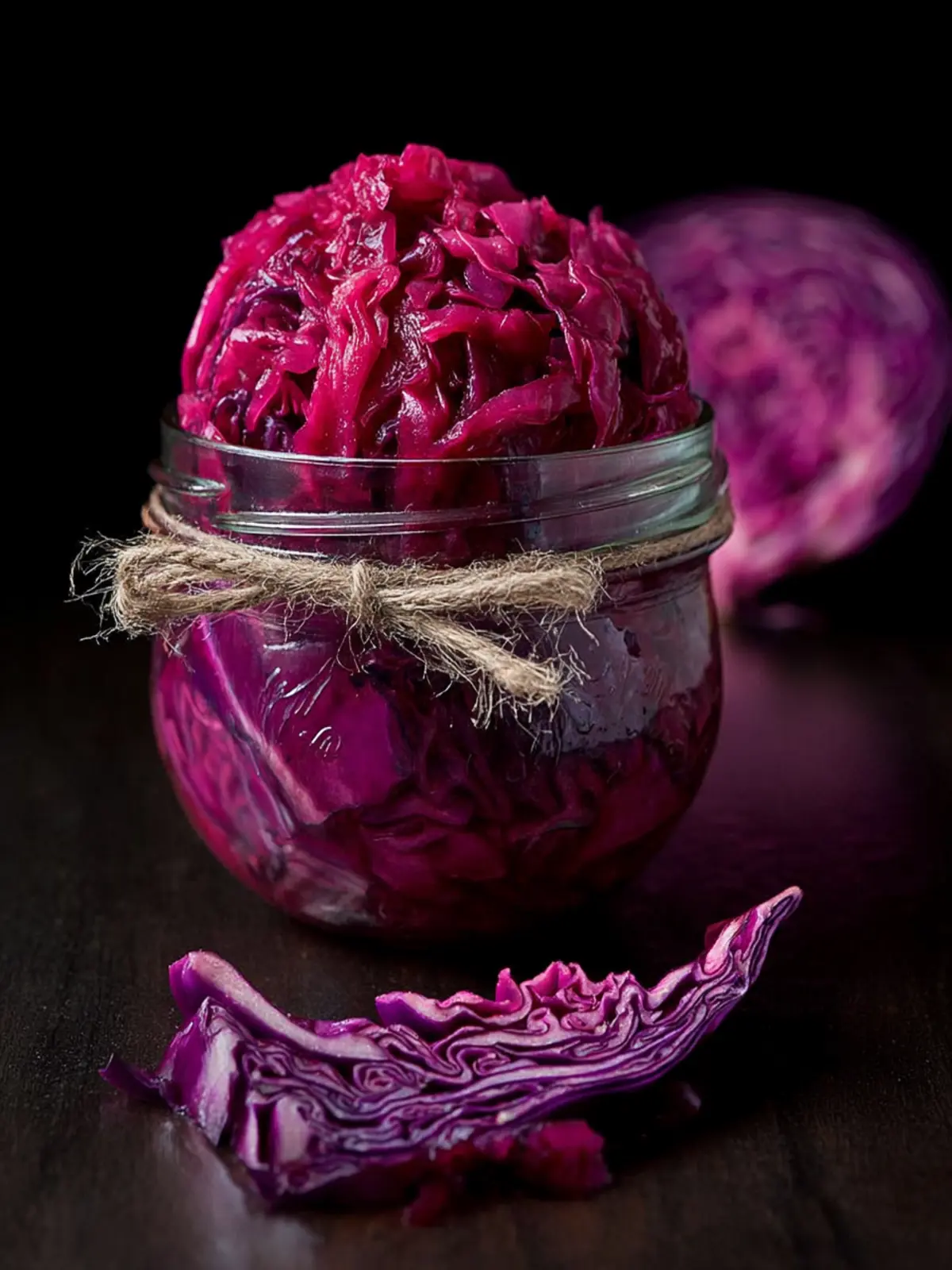
Nutritional Information for Beet and Cabbage Sauerkraut
Creating your own Beet and Cabbage Sauerkraut not only results in a deliciously tangy flavor but also brings a wealth of nutritional benefits. This fermented delight is packed with goodness, making it a nutritious addition to your meals.
Calories
Each serving of Beet and Cabbage Sauerkraut contains approximately 25 calories. It’s a surprisingly low-calorie dish, allowing you to enjoy its vibrant flavor without worrying about your calorie intake. The vegetables used, primarily beets and cabbage, are low in calories but high in nutrients, making it an excellent choice for a healthy diet.
Sodium
While fermentation naturally adds some saltiness to foods, a serving of our Beet and Cabbage Sauerkraut contains about 300 mg of sodium. This may vary depending on how much salt you add during the fermentation process. For those monitoring sodium intake, you can adjust the salt to suit your personal dietary needs while still achieving that classic sauerkraut tang. It’s a great way to enjoy fermented foods while staying mindful of your health!
FAQs about Beet and Cabbage Sauerkraut
Creating your own Beet and Cabbage Sauerkraut not only adds a flavorful twist to traditional recipes, but it also raises some common questions about storage, health benefits, and ingredient flexibility. Let’s explore these queries!
How long does homemade sauerkraut last?
Homemade Beet and Cabbage Sauerkraut can last for several months when stored properly. Once fermented, transfer it to a clean container and refrigerate. It can maintain its delicious flavor and crunchy texture for up to six months. Just ensure that it’s submerged in its brine, as this prevents spoilage.
What are the health benefits of fermented foods?
Fermented foods like Beet and Cabbage Sauerkraut are celebrated for their health benefits. They are rich in probiotics, which promote a healthy gut microbiome and aid in digestion. Additionally, they can enhance nutrient absorption and may boost your immune system. The natural fermentation process also increases the bioavailability of certain vitamins, making them easier for your body to absorb.
Can I adjust the flavors or ingredients?
Absolutely! One of the joys of making your own Beet and Cabbage Sauerkraut is the ability to customize it. Feel free to experiment by adding spices such as caraway seeds or dill for a unique twist. You can also incorporate other vegetables like carrots or radishes. Just keep in mind that the fermentation process may be influenced by the moisture content of different ingredients, so monitor the brine as you mix and match.
By addressing these common questions, you’ll feel more confident creating and enjoying your homemade Beet and Cabbage Sauerkraut!
Conclusion on Beet and Cabbage Sauerkraut
In exploring the world of Beet and Cabbage Sauerkraut, you’ve ventured into a vibrant culinary journey that beautifully combines flavor and nutrition. This unique recipe not only enhances the tangy, crunchy characteristics of traditional sauerkraut but also infuses it with the earthy sweetness of beets. Enjoying this lively dish can add a splash of color and probiotic goodness to your meals. Whether served as a side or a topping, Beet and Cabbage Sauerkraut is a fantastic way to elevate your dishes while showcasing the benefits of fermentation. So, get ready to impress your palate and your dinner guests with this delightful creation!
Print
Fermented Beet and Cabbage Kraut
- Total Time: 3-5 days
- Yield: 4 servings 1x
- Diet: Gluten-Free
Description
A delicious and tangy homemade fermented beet and cabbage kraut, perfect as a side dish or topping.
Ingredients
Scale
- 1 small red cabbage – finely sliced (save a couple whole leaves, for the top)
- 1 cup grated raw beet – do not peel
- ⅛–¼ cup sliced red onion – optional
- calculated amount mineral salt or sea salt (calculated based on weight of vegetables)
- 1 teaspoon caraway seeds
- 1 garlic clove, sliced
- 1–2 teaspoons grated ginger
Instructions
- Place a medium bowl on a scale and zero out the scale, leaving the bowl there.
- Finely slice and grate cabbage and beets and place in the bowl. Add garlic, onion and or ginger if using.
- Weigh the cabbage, beets (and onion, garlic, and ginger) in grams – careful not to include the bowl weight. Multiply this amount by the calculated salt needed.
- Zero out the scale again, with the filled bowl, and add the calculated salt.
- Massage the cabbage with the salt, let sit on the counter, mixing occasionally for 1 hour, until the cabbage has wilted and released a little water.
- Place cabbage beet mixture and all the juices in a CLEAN mason jar and pack it down with a muddler, or the end of a wooden spoon, leaving 2-3 inches at the top. Place a couple of cabbage leaves over the kraut to help keep it submerged under the liquid along with a fermentation weight.
- If there is not enough liquid to cover, mix one teaspoon sea salt with 1 cup of filtered water, and add just enough of this brine so cabbage-beet mixture is submerged – leaving at least 2-inches space at the top of jar. Remove any seeds or particles that float to the top with a slotted spoon. Anything that is not completely submerged can mold.
- Cover loosely with a lid and place on a pan to catch any liquid.
- Place in a cool dark place (ideally 65-72 degrees F) for 3-5 days. It may take longer to ferment if it is colder. Check it daily to make sure the cabbage is under the brine.
- After 3-4 days, check for activity. When you tap the jar, tiny bubbles should rise to the top, indicating it’s fermenting.
- Once fermented to the desired amount, add the caraway seeds and place it in the fridge. The longer it ferments, the sourer it will taste.
- Once it’s chilled the smell will surprisingly mellow out and it will actually seem edible. Let it chill overnight, discard the cabbage leaf, then give it a taste!
Notes
- Carefully calculate the salt based on the total weight of the cabbage and beets for optimal fermentation.
- Always keep the mixture submerged in brine to prevent mold.
- Fermentation times may vary based on room temperature.
- Prep Time: 15 minutes
- Cook Time: 1 hour
- Category: Side Dish
- Method: Fermentation
- Cuisine: Vegan
Nutrition
- Serving Size: 1/2 cup
- Calories: 30
- Sugar: 3g
- Sodium: per calculated amount
- Fat: 0g
- Saturated Fat: 0g
- Unsaturated Fat: 0g
- Trans Fat: 0g
- Carbohydrates: 7g
- Fiber: 2g
- Protein: 1g
- Cholesterol: 0mg