Follow Me On Social Media!

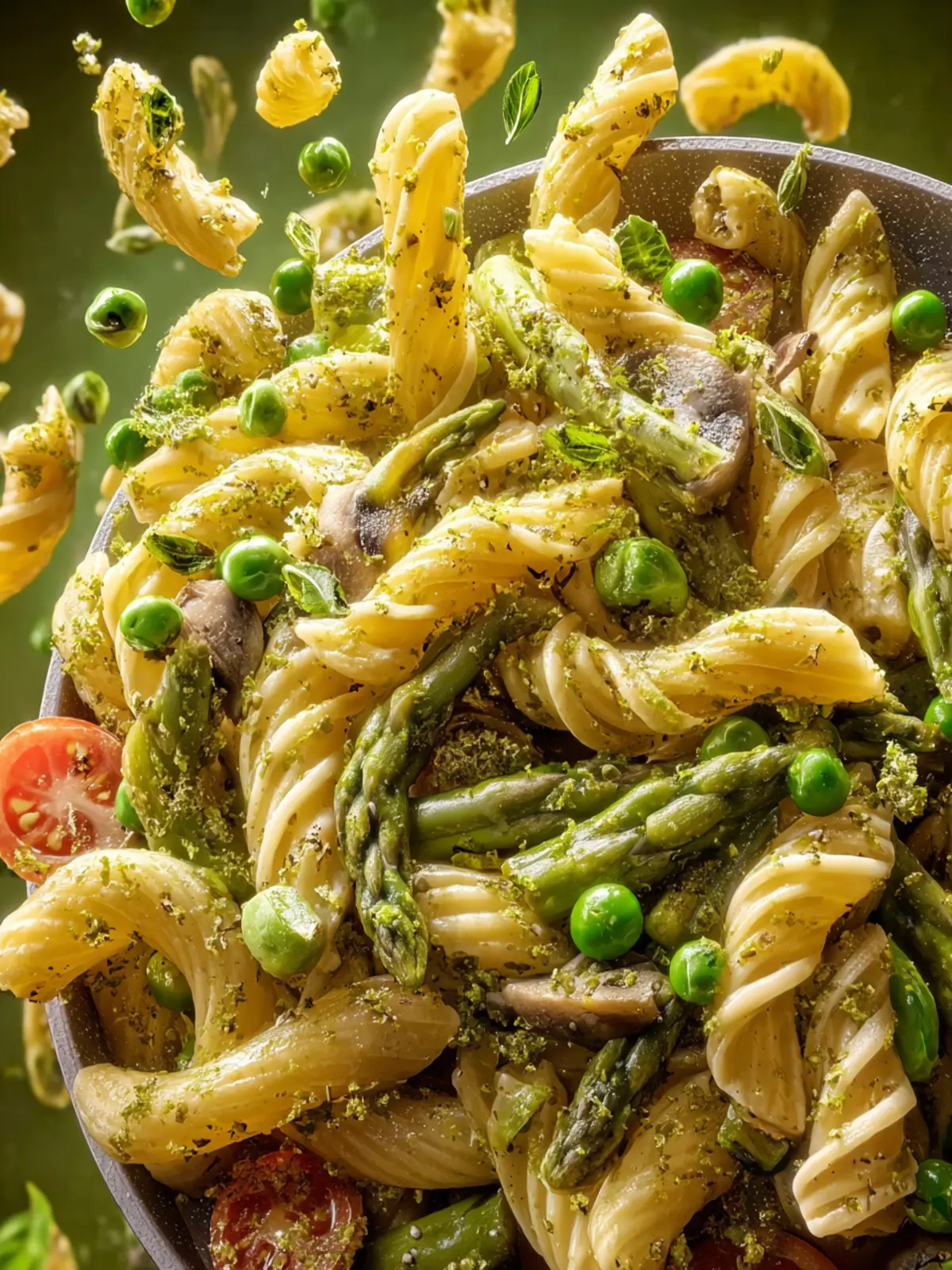
Pasta Primavera: Irresistibly Fresh and Easy Veggie Delight

Introduction to Pasta Primavera
Pasta primavera embodies the essence of spring dining, celebrating the freshness of vibrant vegetables intertwined with perfectly cooked pasta. Carried into the limelight in the 1970s, this dish has become a beloved staple in kitchens and restaurants alike, known not only for its gorgeous presentation but also for its delightful flavors. Imagine sitting on a sunlit patio, a gentle breeze rustling the leaves, as you dig into a colorful bowl of pasta primavera, where each bite bursts with the sweetness of seasonal vegetables.
The beauty of pasta primavera lies in its adaptability, making it a fantastic go-to meal for young professionals seeking both convenience and nourishment. On busy weeknights or leisurely weekends, this dish can be crafted to suit your mood or dietary preferences. Incorporate a medley of seasonal vegetables, toss in your favorite herbs, and pair it with a sauce that suits your taste—whether that’s a light olive oil and garlic base, or a creamy cheese sauce that adds a touch of richness.
What makes Pasta Primavera a go-to meal?
Pasta primavera stands out as a quintessential meal for several reasons:
-
Versatile Ingredients: This dish allows for creativity with whatever vegetables you have on hand. From bell peppers to zucchini, broccoli to cherry tomatoes, the combinations are endless! In fact, you can customize it based on what’s in season or even what’s available in your fridge.
-
Quick and Easy Preparation: With minimal cooking time, typically 30 minutes or less, pasta primavera is a savvy choice for those juggling work, social commitments, and personal time.
-
Nutritionally Rich: Packed with colorful veggies, this dish not only appeals to the eye but also promotes health. It’s a great source of vitamins and minerals, making it an excellent option for a balanced meal.
-
Satisfying and Filling: With pasta serving as the hearty foundation, paired with seasonal vegetables, pasta primavera is both satisfying and light, achieving that perfect balance.
Embracing pasta primavera means indulging in a comforting yet healthful meal that reflects the joy of home cooking—an essential addition to anyone’s repertoire!
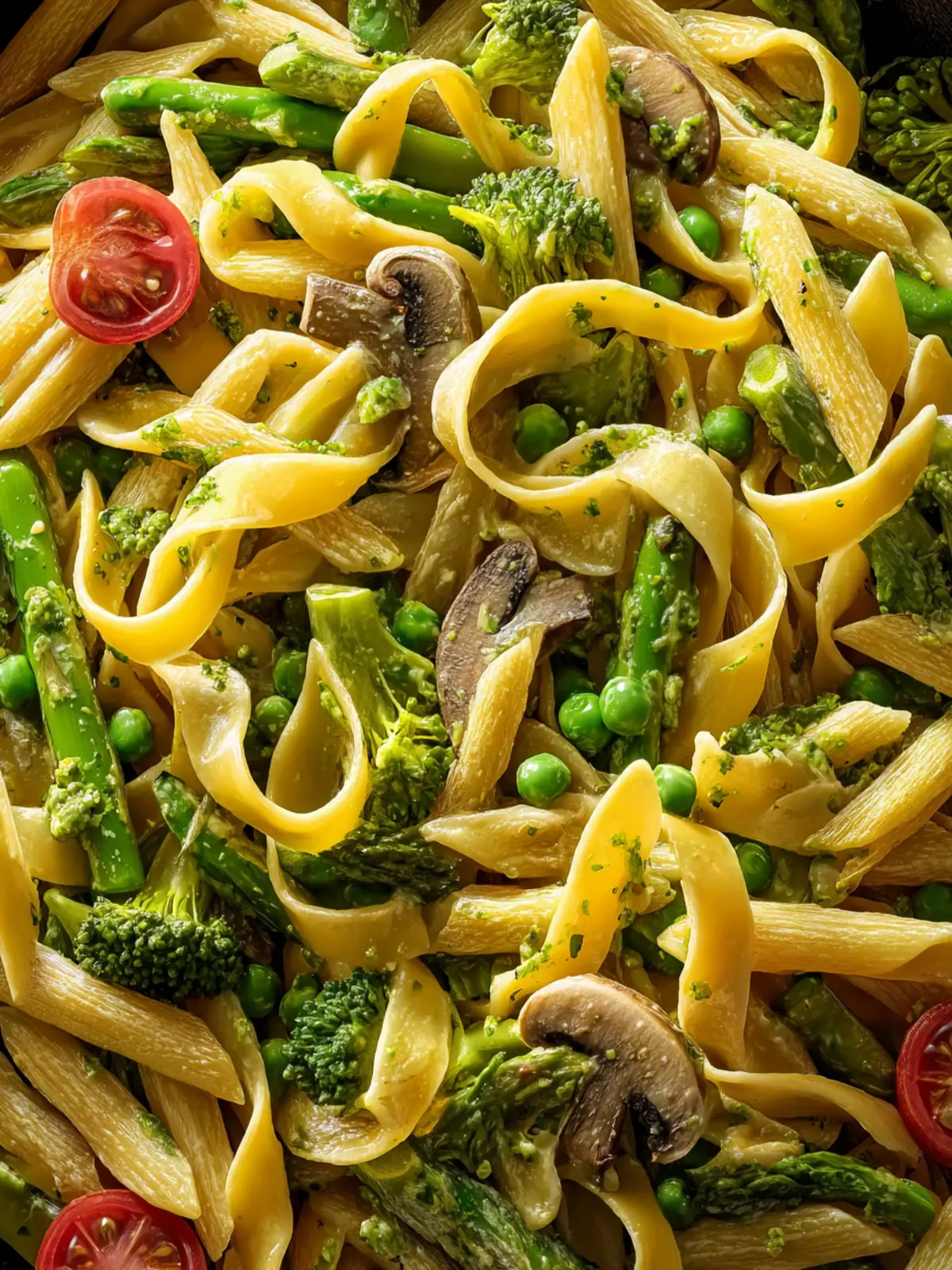
Key Ingredients for Pasta Primavera
When preparing a delightful plate of Pasta Primavera, the key is in using vibrant, fresh ingredients that elevate this dish into a masterpiece of color and flavor. Each component plays a vital role, enhancing the overall experience.
-
Pasta: Start with your choice of pasta—spaghetti, penne, or fettuccine work beautifully. Al dente pasta not only holds the sauce better but also complements the crispness of the veggies.
-
Vegetables: Fresh seasonal vegetables are the stars of this dish. I recommend bell peppers, zucchini, cherry tomatoes, and asparagus for a classic touch. Each offers a unique crunch and flavor that sings through every bite.
-
Olive Oil: A good quality extra virgin olive oil is essential. It adds richness and helps to sauté the vegetables, bringing out their natural sweetness.
-
Garlic: Fresh garlic brings an aromatic punch. Sautéing it gently releases its natural oils and creates a fragrant base for the dish.
-
Parmesan Cheese: Grated Parmesan cheese not only enhances the flavor but also adds creaminess, beautifully balancing the dish.
With these key ingredients, Pasta Primavera becomes a refreshing and satisfying meal that you’ll want to make again and again!
Why You’ll Love This Pasta Primavera
Pasta primavera is a vibrant dish that not only delights the palate but also paints your plate with the colors of fresh, seasonal vegetables. Picture this: a whirlwind of bell peppers, cherry tomatoes, and zucchini dancing together in a light, aromatic olive oil sauce, all enveloped by perfectly cooked pasta. This recipe is not just a meal; it’s an experience that brings a taste of spring to your table any time of year.
One of the fantastic aspects of pasta primavera is its versatility. You can customize it based on what you have in your fridge. Have some leftover vegetables? Toss them in! Whether it’s broccoli, asparagus, or even carrots, each addition brings its own unique flavor profile.
Moreover, it’s an ideal dish for busy weeknights—or even weekends. The cooking process is quick, usually taking only about 30 minutes from start to finish. Plus, it’s light enough to enjoy without that heavy feeling afterward.
Not only does this dish taste incredible, but it’s also packed with nutrients, making it a guilt-free indulgence. For anyone looking to eat more healthily without sacrificing taste, pasta primavera is your perfect choice. Who wouldn’t love a meal that’s as refreshing as it is satisfying?
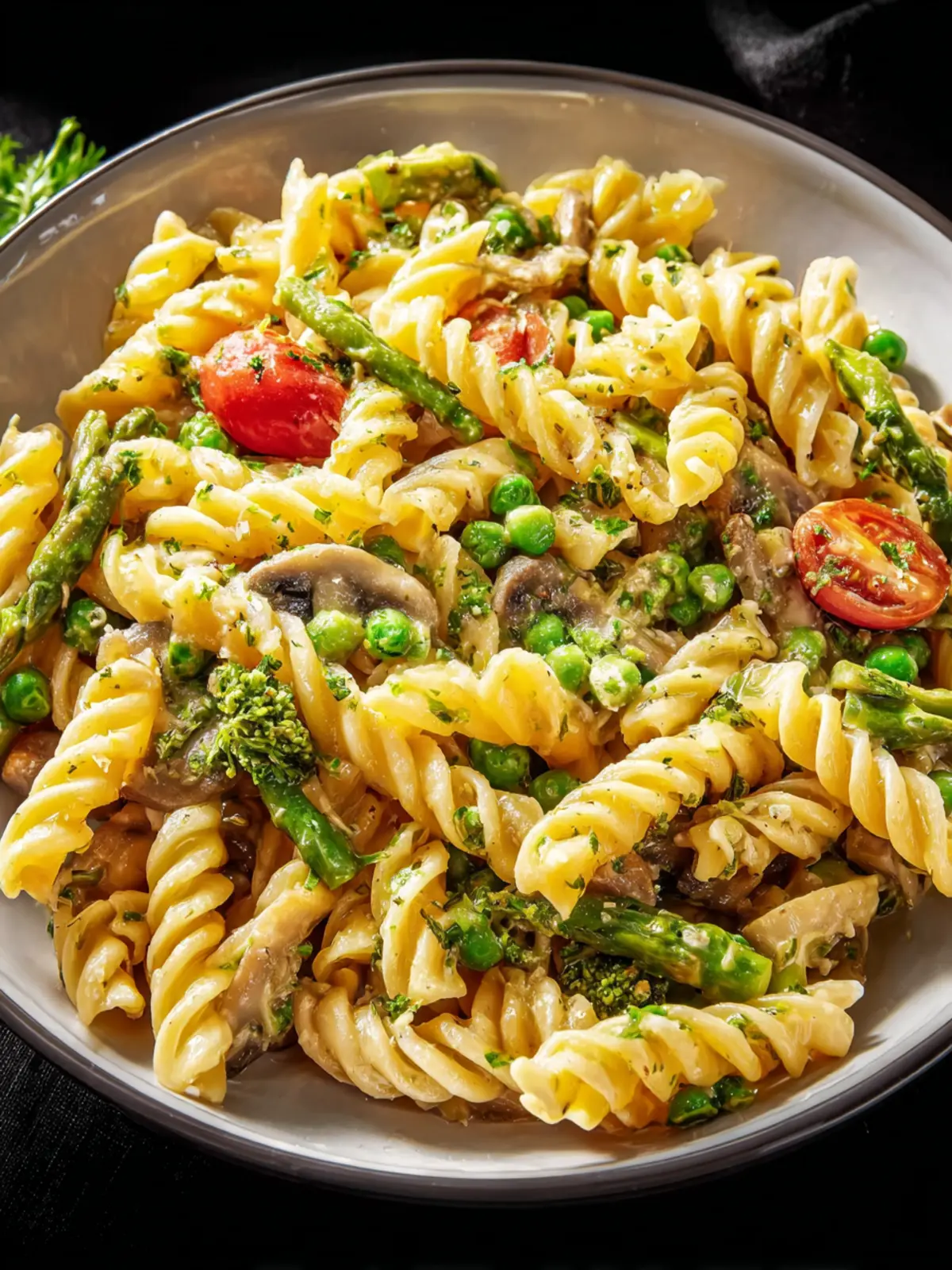
Tips for Making Perfect Pasta Primavera
Creating pasta primavera at home is not just about boiling noodles and tossing in vegetables; it’s about crafting a vibrant dish that bursts with flavor and freshness. Here are some essential tips to elevate your pasta primavera to a new level:
Choose the Right Pasta
Selecting the perfect pasta can make all the difference. Opt for a shape that retains sauce well, such as penne or fettuccine. Fresh pasta, if available, is a game-changer, imparting a delightful texture that dried pasta can’t quite match.
Prioritize Fresh Vegetables
Freshness is key in a great pasta primavera. Seasonal veggies like bell peppers, zucchinis, and asparagus not only add bright colors but also bring out true flavors. Roast or sauté them just enough to enhance their taste while keeping a slight crunch.
Embrace Aromatics
Garlic and onions are your best allies when making a delicious sauce. Sauté them until they are fragrant before adding your vegetables, creating a delicious base that infuses flavor into your dish.
Play with Herbs
Fresh herbs like basil, parsley, or even thyme can elevate your pasta primavera. Add them towards the end of cooking for a burst of freshness, and don’t shy away from experimenting with flavors that resonate with you.
Don’t Forget the Finishing Touches
A drizzle of high-quality olive oil, a sprinkle of grated Parmesan, or a squeeze of lemon juice can brighten and balance the flavors beautifully. Just before serving, add these components to take your dish from good to unforgettable.
Time Details for Pasta Primavera
In the hustle of daily life, a quick yet delicious meal can feel like a rare find. Pasta Primavera not only offers a burst of vibrant flavors but also comes together effortlessly. Here’s how to time your dinner prep to perfection:
Preparation Time
Set aside about 10-15 minutes to chop those colorful veggies and get your ingredients ready.
Cooking Time
Once you start cooking, you’ll need around 15-20 minutes for the pasta and veggie medley to achieve that delightful al dente texture.
Total Time
In just about 30-35 minutes, from start to finish, your fresh and vibrant Pasta Primavera will be ready to impress. Time to savor!
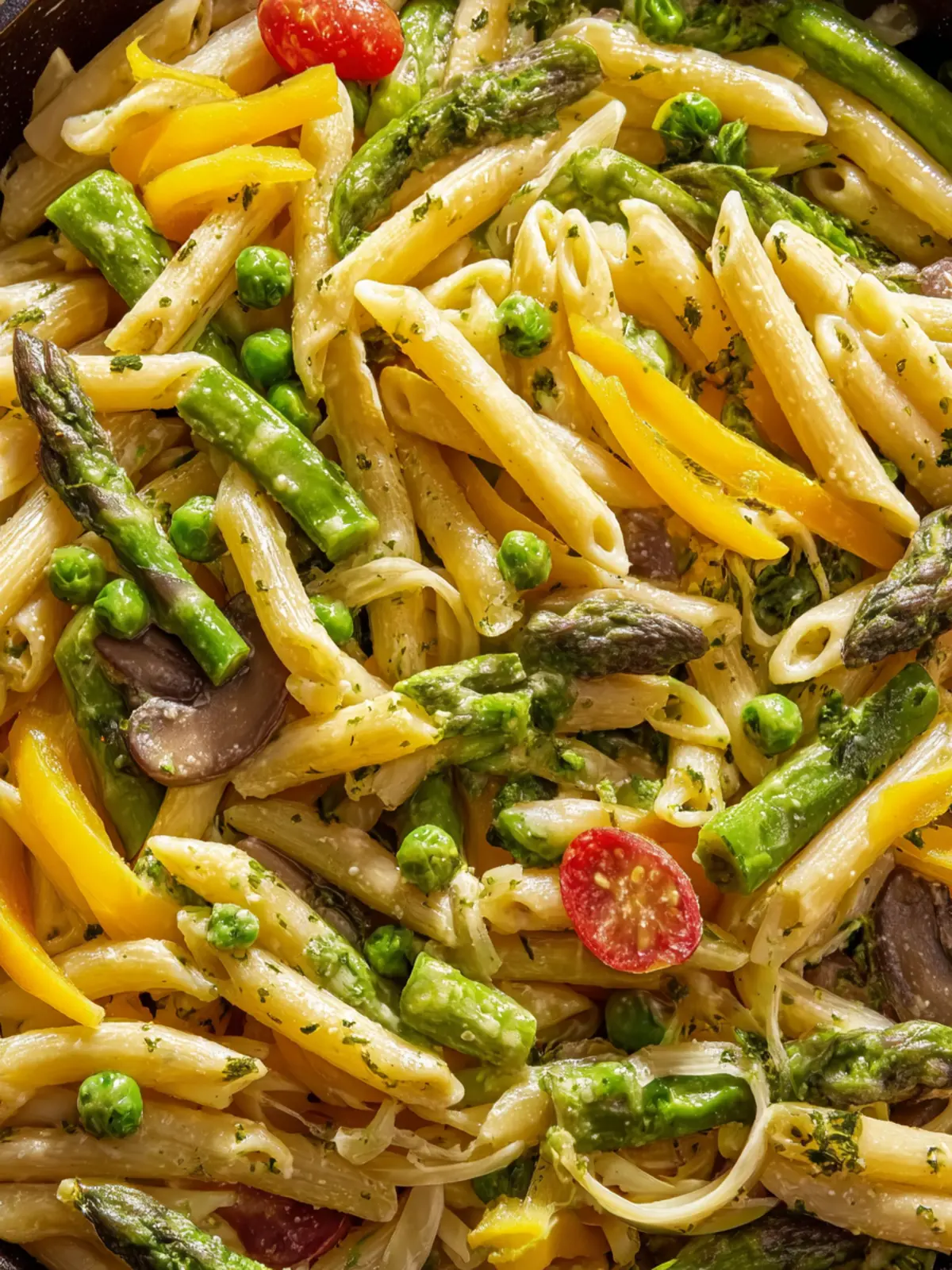
Nutritional Information for Pasta Primavera
Pasta Primavera embodies the essence of vibrant meals that nourish both body and soul. Packed with colorful vegetables, this dish is not just a feast for the eyes but also a healthy option for your lunch or dinner table.
Calories
A serving of Pasta Primavera typically contains around 300-400 calories, depending on the portion size and specific vegetables used. This makes it a light yet satisfying choice for those mindful of their caloric intake.
Protein
With protein content hovering around 10-15 grams per serving, Pasta Primavera offers a good boost, especially when paired with chickpeas or additional proteins. This helps keep you full and energized throughout your day.
Sodium
One of the best features of Pasta Primavera is its low sodium level, usually around 200-400 milligrams, depending on whether you add salt or savory sauces. This allows for better heart health without sacrificing flavor.
FAQs about Pasta Primavera
Making a delicious Pasta Primavera isn’t just about mixing pasta and vegetables; it’s a culinary adventure you can customize to your tastes. If you’re diving into this vibrant dish, you might have some burning questions. Here are some common inquiries to guide you along the way.
Can I use other vegetables in Pasta Primavera?
Absolutely! One of the best parts of Pasta Primavera is its versatility. While classic renditions highlight bell peppers, zucchini, and broccoli, feel free to get creative. Seasonal vegetables like asparagus, carrots, or even leafy greens like spinach can add unique flavors and textures to your dish. Just remember to cut your veggies evenly to ensure they cook at the same rate.
Is this dish suitable for meal prep?
Yes! Pasta Primavera is fantastic for meal prep. You can cook your pasta and vegetables ahead of time and store them separately to maintain their texture. Reheat them together with your favorite sauce when you’re ready to enjoy a quick and healthy meal. It’s perfect for those busy weekdays when you need something nutritious without the fuss.
Can I make Pasta Primavera vegan?
Definitely! Making a vegan version of Pasta Primavera is as simple as swapping conventional ingredients. Use olive oil in place of butter, and opt for vegetable broth or a plant-based pasta sauce for added flavor. You can also boost nutrition with vegan protein sources like chickpeas or tofu, making it both satisfying and delicious.
With these tips, you’re all set to create your perfect Pasta Primavera!
Conclusion on Pasta Primavera
To truly appreciate the beauty of pasta primavera, one must embrace its colorful vegetables and rich flavors that celebrate seasonal produce. This dish is not just about satisfying your hunger; it’s a delightful way to enjoy a variety of fresh ingredients, all perfectly intertwined in a silky sauce.
Experimenting with different vegetables allows you to create a new masterpiece each time, promoting creativity in the kitchen. Whether it’s a quick weeknight meal or an impressive dish for guests, pasta primavera fits the bill beautifully. So, bring out that pot, gather your favorite veggies, and take a moment to enjoy the delightful symphony of flavors that awaits you!
Print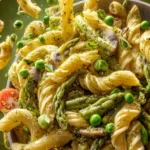
Creamy Penne with Vegetables
- Total Time: 30 minutes
- Yield: 4 servings 1x
- Diet: Vegetarian
Description
A delicious and creamy pasta dish loaded with fresh vegetables.
Ingredients
Scale
- 12 oz penne (sub farfalle or fusilli + salt for pasta water)
- 2 tablespoons extra virgin olive oil
- ½ onion (chopped)
- 3 cloves garlic (grated)
- 2 cups mushrooms (button or cremini)
- 1½ cups asparagus (trimmed and cut into 1-inch pieces)
- 1 medium zucchini (quartered lengthwise and sliced)
- 1 cup frozen peas (no need to thaw)
- 1 cup zucchini flowers (stem removed and gently torn – optional but lovely)
- ½ cup Greek yogurt
- ½ cup Parmigiano Reggiano (grated, sub Grana Padano or Parmesan)
- ¼ cup Pecorino Romano (grated, optional – sub more parmesan)
- 1 teaspoon lemon zest (juice is optional)
- 1 handful fresh herbs (choose basil, thyme, or parsley)
Instructions
- Sauté the Vegetables: In a large skillet, heat 2 tablespoons extra virgin olive oil over medium heat. Add ½ onion cooking for a couple of minutes until fragrant and soft. Add 2 cups mushrooms, 1½ cups asparagus, and 3 cloves garlic, season with salt and pepper, and cook until they release moisture and start to brown (3 – 4 minutes). Add 1 medium zucchini, cooking for a few more minutes. Stir in 1 cup frozen peas and cook until warmed through. Turn heat off, add 1 cup zucchini flowers trimming off their stem and folding them in gently to wilt slightly. Taste and adjust for salt.
- Cook the Pasta: Cook 12 oz penne in a large pot of salted boiling water as per package instructions minus 1 minute. Reserve 1 cup pasta water before draining.
- Add Pasta and Cheese: Add the cooked pasta and ¼ cup of reserved pasta water to the skillet with the vegetables over medium heat for 1 minute, stirring to combine. Off the heat, stir in ½ cup Greek yogurt, ½ cup Parmigiano Reggiano, ¼ cup Pecorino Romano, and 1 teaspoon lemon zest gently until the cheese melts and the sauce becomes creamy. Add more pasta water as needed to loosen the sauce. Taste and season with salt, and add extra Parmesan if desired.
- Serve Immediately: Plate and garnish with more cheese and 1 handful fresh herbs of choice.
Notes
- For a vegetarian option, ensure the cheese is rennet-free.
- Feel free to substitute any seasonal vegetables available.
- Prep Time: 10 minutes
- Cook Time: 20 minutes
- Category: Main Dish
- Method: Stovetop
- Cuisine: Italian
Nutrition
- Serving Size: 1 plate
- Calories: 450
- Sugar: 4g
- Sodium: 800mg
- Fat: 20g
- Saturated Fat: 5g
- Unsaturated Fat: 12g
- Trans Fat: 0g
- Carbohydrates: 60g
- Fiber: 6g
- Protein: 15g
- Cholesterol: 30mg