Follow Me On Social Media!

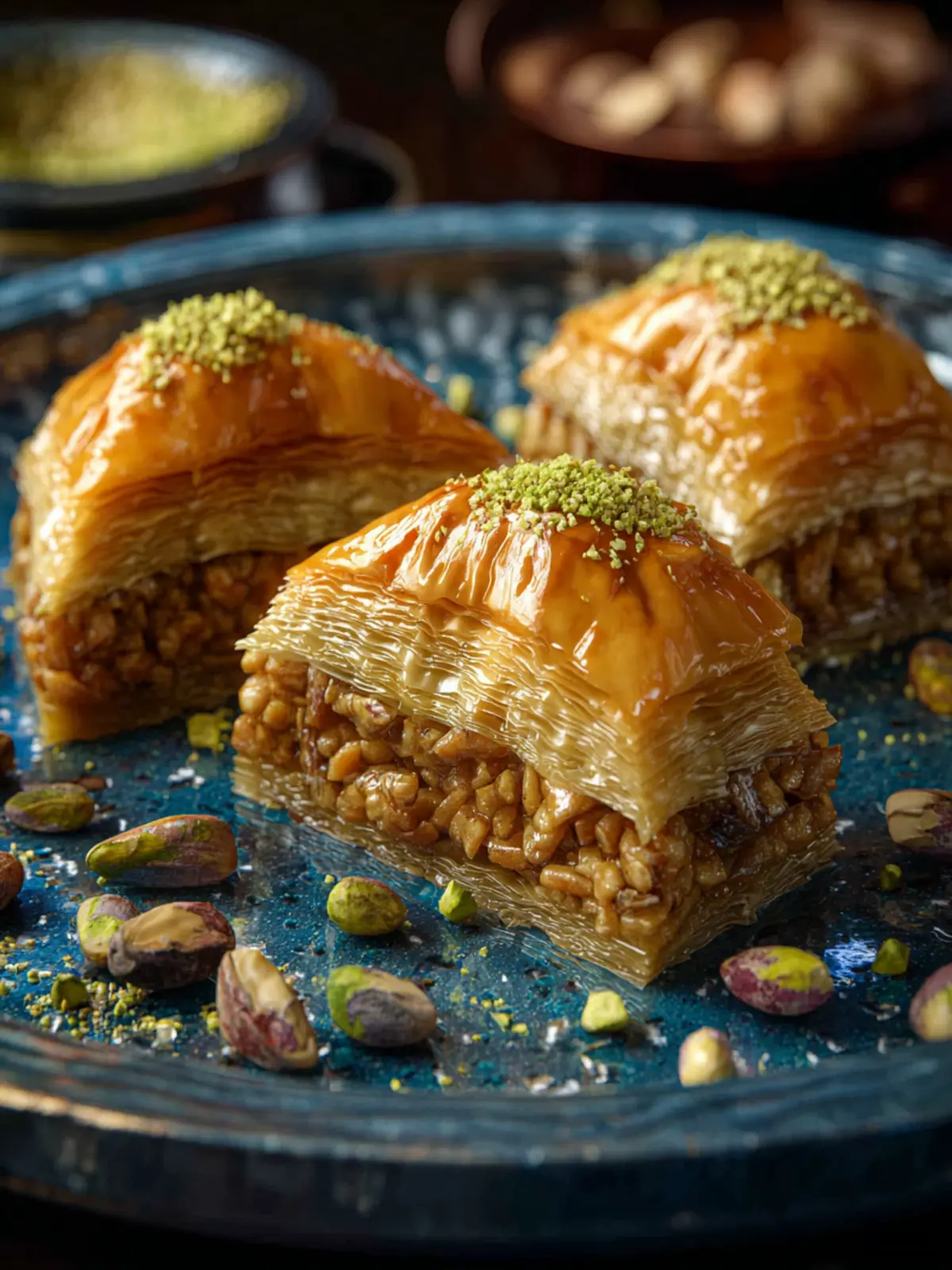
Turkish Baklava: Irresistibly Sweet, a Homemade Delight!

Introduction to Turkish Baklava
Diving into the world of Turkish Baklava feels like stepping into a treasure trove of flavor and culture. This iconic dessert isn’t just a dish; it’s a warm, flaky embrace that tells tales of ancient traditions. Every layer of this delectable pastry is infused with history, making it a dessert that resonates deeply with those who savor it. From bustling markets in Istanbul to cozy family gatherings, Turkish Baklava is a beloved staple that brings people together over its luscious sweetness.
What makes Turkish Baklava a must-try dessert?
If you’re curious about what elevates Turkish Baklava to the status of a must-try treat, look no further than its intricate combination of textures and flavors. At first bite, you experience the satisfying crunch of flaky phyllo dough, lovingly layered and brushed with melted butter. This is followed by a rich filling of finely chopped nuts, often pistachios or walnuts, that adds a delightful nuttiness. It’s all held together by a sumptuous syrup, typically made from sugar and fragrant rosewater or orange blossom, which seeps into the layers and imparts a marvelous sweetness.
-
Cultural Significance: Beyond taste, Turkish Baklava is steeped in heritage. Initially a dish enjoyed by Ottoman sultans, it now graces tables at celebrations and special occasions, symbolizing abundance and hospitality.
-
The Craftsmanship: The art of making Turkish Baklava requires dedication. Each layer of phyllo dough needs to be meticulously brushed with butter, unfolding a beautiful and flaky pastry that leads to a heavenly experience with every bite.
If you’re intrigued by a dessert that not only delights your palate but also serves as a flavorful nod to history and culture, look no further than Turkish Baklava. It’s not just a sweet finish to a meal; it’s a story waiting to be shared. So, roll up your sleeves and get ready to whip up a batch that will impress friends and family, transporting them to the heart of Turkey with each buttery, nutty piece.
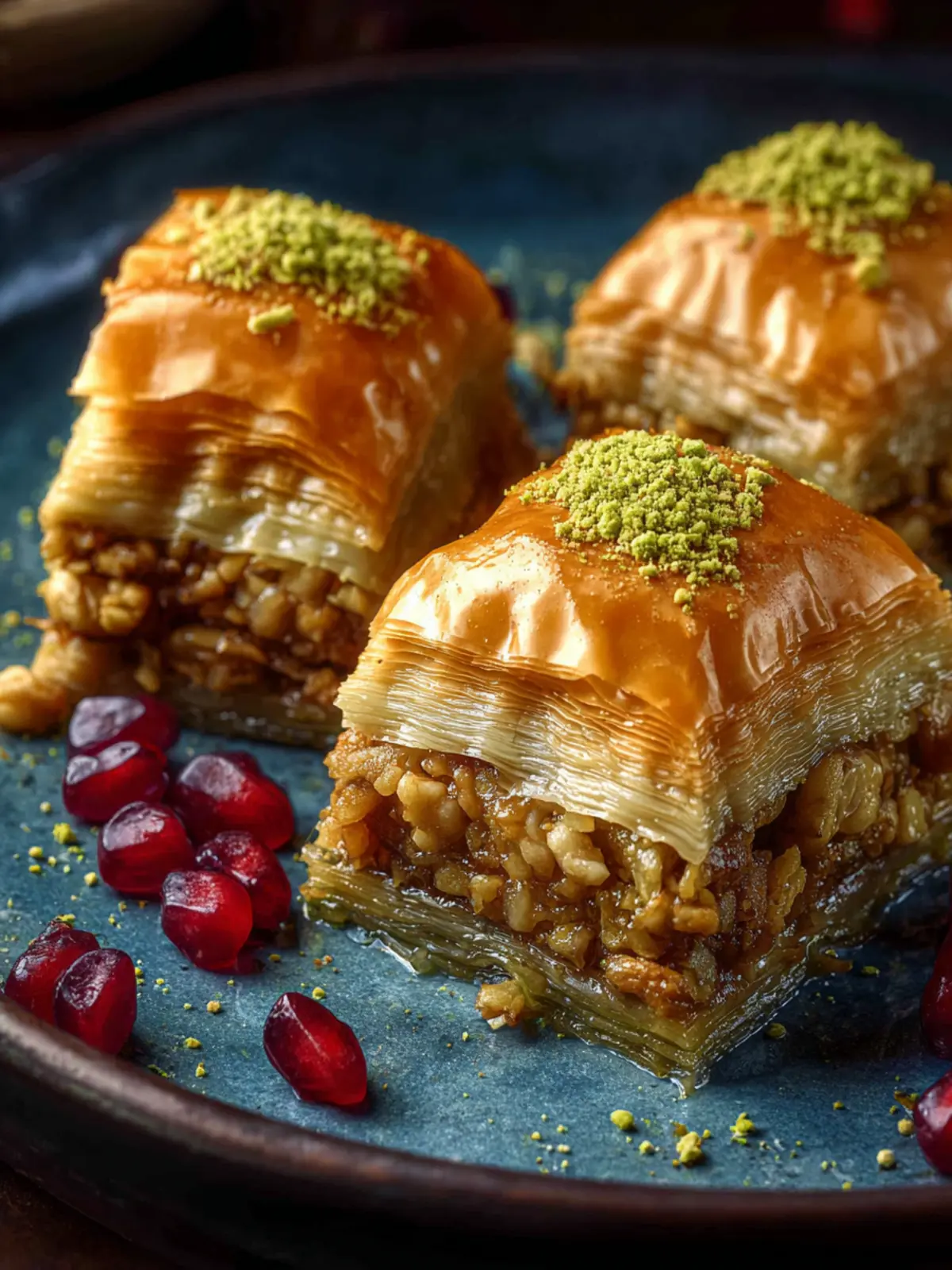
Key Ingredients for Turkish Baklava
Creating the most delightful Turkish baklava begins with understanding its essential components. Each ingredient plays a crucial role in delivering that irresistible flavor and texture.
-
Phyllo Dough: The star of Turkish baklava, phyllo dough is thin sheets that create that signature flaky texture. For best results, consider using fresh phyllo when possible, as it makes layering a dream. If frozen, ensure it’s fully thawed before use to avoid tearing.
-
Nuts: A mixture of walnuts and pistachios gives baklava its rich, nutty flavor. I prefer a combination for a balanced texture and taste. Toasting them lightly beforehand enhances their natural oils and brings out a deeper flavor.
-
Butter: The use of melted butter in this recipe is twofold. First, it coats each layer of phyllo to ensure crispiness. Second, a flavorful buttery richness seeps into the nuts, creating a luscious bite with every piece.
-
Sugar: A mix of granulated sugar in the syrup balances the richness of the nuts and butter. It helps achieve that gooey sweetness that all baklava lovers crave.
-
Honey: Importantly, honey adds depth and a natural sweetness to the syrup, making each bite of Turkish baklava even more decadent.
-
Cinnamon: Just a hint of ground cinnamon rounds out the flavors, tying the entire dessert together with a warm, comforting note.
By understanding these key ingredients, you’re well on your way to mastering the art of preparing a traditional Turkish baklava that will leave everyone wanting more.
Why You’ll Love This Turkish Baklava
Imagine a bustling café in Istanbul, where the aroma of freshly baked Turkish baklava wafts through the air, enticing everyone nearby. This beloved pastry, with its intricate layers of flaky phyllo dough, crushed nuts, and sweet syrup, opens a door to a rich tapestry of flavors and textures that make your taste buds sing.
Unforgettable Layers of Flavor
When you take your first bite of Turkish baklava, you’ll experience a symphony of flavors. The delicate layers of phyllo dough provide a satisfying crunch, while the nutty filling—often a delectable mix of walnuts or pistachios—adds a beautiful richness. The honey syrup that bathes the baklava infuses each layer with a sweet gloss that lingers long after each bite.
A Cultural Connection
Baklava isn’t just a dessert; it’s a piece of history. This pastry has been enjoyed for centuries, making it a symbol of celebration and hospitality in Turkish culture. Sharing a plate of Turkish baklava with family and friends creates a warm atmosphere, making any occasion feel special.
Perfect for Any Occasion
Whether you’re hosting a gathering or treating yourself after a long day, Turkish baklava elevates every moment. Its versatility means it can be enjoyed with coffee, tea, or as a decadent after-dinner treat. Once you try this recipe, you’ll understand why it’s loved worldwide!
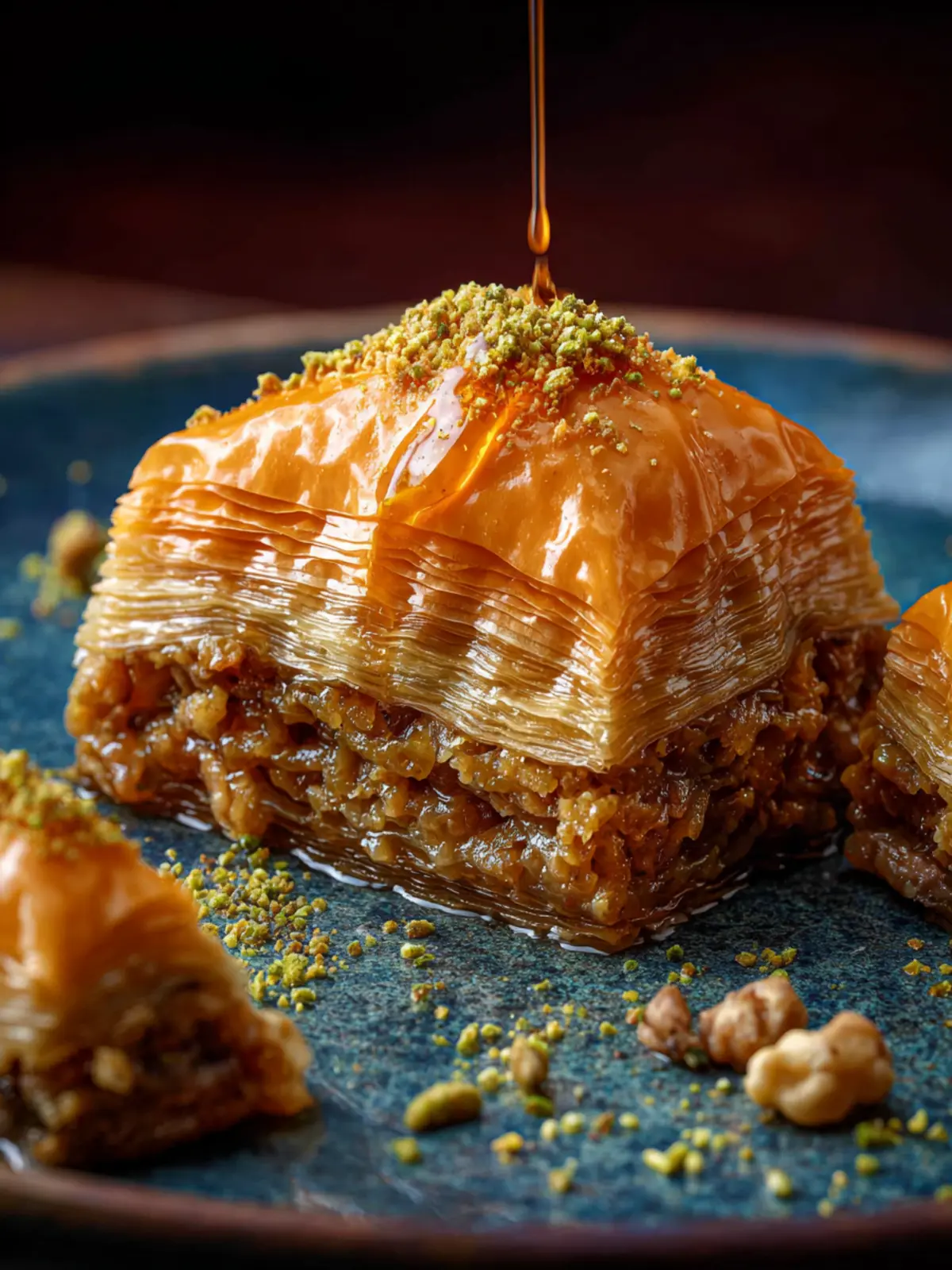
Variations on Turkish Baklava
Baklava is a beloved sweet pastry, deeply rooted in Turkish culture, cherished not only for its rich flavor but also for how it brings people together. Personally, I delight in experimenting with variations of Turkish baklava that highlight different flavors and textures, transforming a classic dessert into something unique.
Regional Twists
-
Pistachio Baklava: One of the most popular regional variations, particularly in Gaziantep, features a generous filling of finely chopped pistachios. The nutty flavor pairs beautifully with the sweet syrup, creating a delightful taste explosion.
-
Walnut Baklava: For a heartier bite, try using walnuts instead of pistachios. The earthiness of walnuts adds depth, making this version a family favorite during holiday gatherings.
Innovative Flavors
-
Chocolate Baklava: If you’re a chocolate lover, consider drizzling melted dark chocolate between layers for a contemporary spin. This variation adds richness and pairs surprisingly well with the caramelized sweetness of the syrup.
-
Fruit Baklava: For a refreshing twist, fold in dried fruits like apricots or figs along with your nut mixture. The natural sweetness of the fruits provides a lovely contrast to the buttery layers.
Creative Shapes and Presentation
- Baklava Rolls: Instead of layering sheets in a pan, roll the pastry into tight spirals filled with nuts. Slice them into pinwheels for a visually appealing treat that’s just as delicious.
With these variations, you can easily make Turkish baklava your own, enhancing its charm and versatility. Don’t hesitate to explore different nuts and flavorings; the possibilities are endless!
Cooking Tips and Notes for Turkish Baklava
Creating the perfect Turkish baklava can be a delightful journey, one steeped in tradition and rich flavors. With a few tips and insights, you can elevate your baklava game to impress family and friends at your next gathering.
Choose Quality Ingredients
- Phyllo Dough: Opt for high-quality, fresh phyllo dough. Don’t freeze it for long periods, as it can become dry and brittle. If you can find homemade phyllo, it’s worth the effort for that authentic texture.
- Nuts: A mix of walnuts and pistachios adds complexity to your baklava. Toast the nuts lightly to enhance their flavor before chopping them for the filling.
- Butter: Use unsalted butter for the best results. A blend of melted butter and some oil can help prevent the dough from drying out during baking.
Baking Tips
- Layering: When assembling your Turkish baklava, alternating between layers of phyllo and nuts creates a beautiful contrast. Make sure each phyllo layer is brushed generously with butter for crispness.
- Baking Time: Keep an eye on your baklava while it bakes. You want it golden brown, but overbaking can lead to a dry texture.
Sweet Soak Secrets
- Simple Syrup: Let your syrup cool before drizzling it over the hot baklava. This ensures that it absorbs properly, giving your dessert that perfect sweetness without being soggy.
- Scenting the Syrup: Consider adding a hint of lemon juice or orange blossom water to your syrup for a fragrant twist.
Following these tips will help you master the art of making Turkish baklava. Enjoy the process, and don’t forget to share the love through this delicious treat!
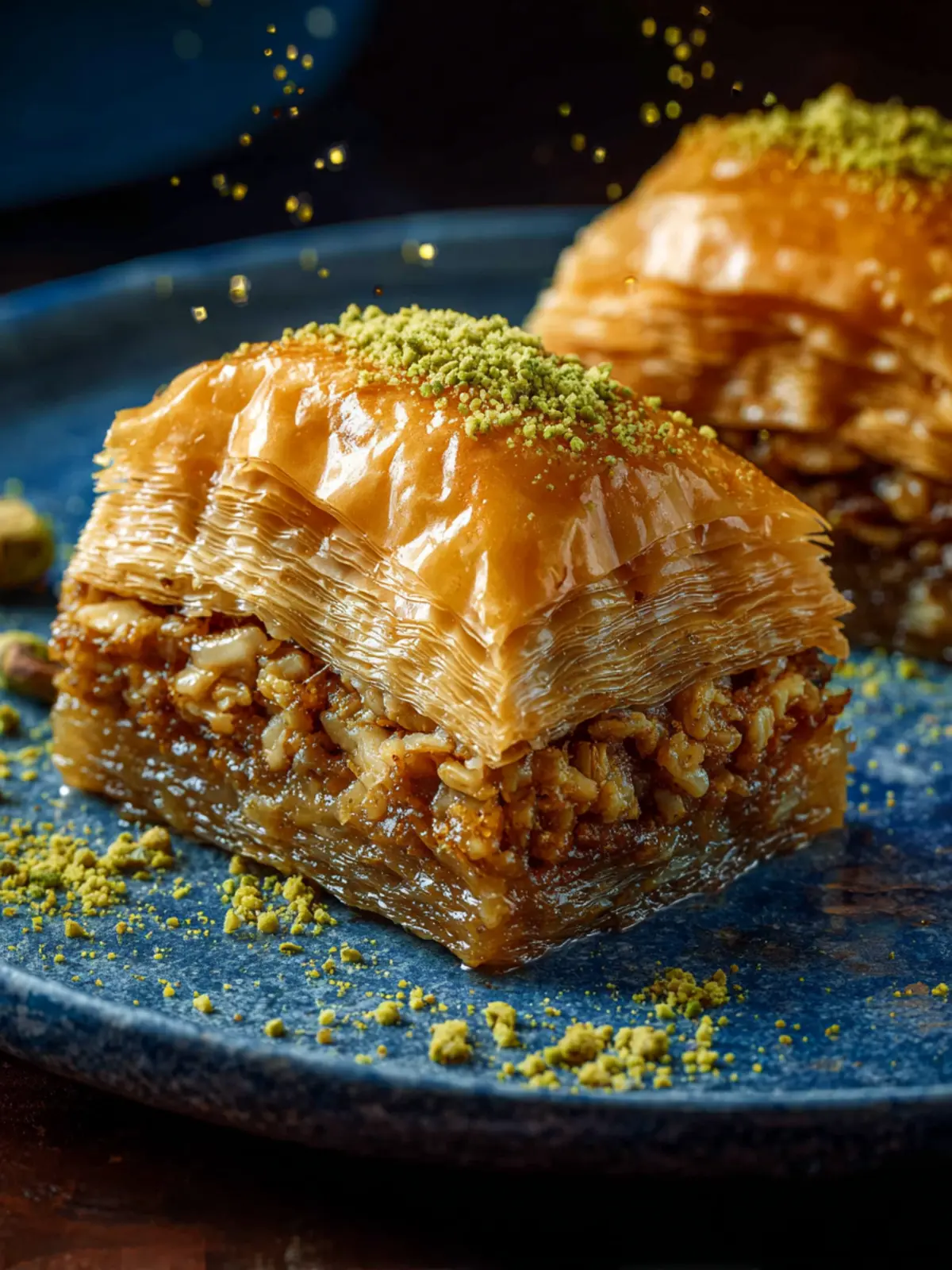
Serving Suggestions for Turkish Baklava
There’s something magical about Turkish baklava that brings people together, evoking memories of family gatherings and festive celebrations. This beloved dessert deserves thoughtful serving suggestions to enhance its enjoyment.
Pair It With a Brew
Turkish tea or strong coffee makes an excellent companion for baklava. The rich flavors complement the sweetness perfectly. Consider brewing a traditional Turkish tea, which has a smooth yet robust profile that balances the dish’s sweetness.
Add a Touch of Freshness
A scoop of vanilla ice cream or a dollop of yogurt can provide a refreshing contrast to the rich, nutty layers of baklava. The coolness of the ice cream or yogurt creates an exquisite harmony, making each bite even more satisfying.
Experiment with Nuts
For a twist, try topping your baklava with chopped pistachios or walnuts. This not only enhances flavor but also adds a delightful crunch. It’s a simple way to elevate an already delicious dessert.
Presentation Matters
Serving your Turkish baklava on a decorative platter can enhance its visual appeal. Consider drizzling it lightly with honey and sprinkling some cinnamon or crushed nuts on top for a beautiful finish. This adds an inviting touch that’s sure to impress your guests.
Time Breakdown for Turkish Baklava
Preparing Turkish baklava is not just about the final product; it’s a delightful journey in itself. Here’s how to plan your time wisely so you can enjoy each step of creating this delicious treat.
Preparation time
Set aside about 45 minutes for preparation. This includes gathering all your ingredients, rolling out the phyllo dough, and layering it with the nut mixture. Trust me, the effort will be worth it when you savor the flavors of your homemade baklava.
Baking time
Baking takes around 30 to 40 minutes. As the baklava bakes, the aroma will fill your kitchen, enticing everyone nearby. Keep an eye on it to ensure it reaches that perfect golden-brown color.
Total time
In total, expect to spend about 1 hour and 20 minutes to 1 hour and 25 minutes on your Turkish baklava. This includes preparation and baking time. With just a little bit of patience, you’ll be rewarded with a delightful treat that’s perfect for sharing!
Nutritional Facts for Turkish Baklava
When considering the delicious world of Turkish baklava, understanding its nutritional profile can add depth to your enjoyment. This sweet pastry is a feast for both your taste buds and your mind, and here’s what you need to know:
Calories
A typical serving of Turkish baklava contains around 300-400 calories. This indulgence brings rich flavor and delicious textures that are well worth the occasional treat in your diet.
Fat
Baklava is known for its rich, buttery layers, contributing about 15-20 grams of fat per serving. This includes both healthy unsaturated fats from the nuts and some saturated fat from the butter, making it a satisfying dessert.
Carbohydrates
In terms of carbohydrates, expect around 40-50 grams in a single serving. The combination of phyllo dough and the syrupy filling provides a delightful sweetness that balances well with the crunch of the nuts.
Enjoying Turkish baklava as part of a balanced treat offers a delightful escape into sweet goodness.
FAQ about Turkish Baklava
When diving into the delightful world of Turkish baklava, you may have a few burning questions as you embark on your baking adventure. Fear not, as this FAQ section will clear up any uncertainties and help you create the perfect batch of this beloved pastry.
Can I use different nuts for baklava?
Absolutely! While traditional Turkish baklava typically features pistachios, walnuts, and hazelnuts, feel free to get creative. Almonds, pecans, or even macadamia nuts can be fantastic alternatives. Just remember to chop them finely so they blend well with the layers of phyllo dough!
What’s the best way to store baklava?
To keep your Turkish baklava fresh and delicious, store it in an airtight container at room temperature. It’s best to avoid refrigeration, as the cool air can affect the texture, making it less flaky. If you want to preserve it for longer, consider freezing it. Just wrap it tightly in plastic wrap and place it in a freezer-safe container.
How long does baklava last?
When stored properly, Turkish baklava can last up to a week at room temperature. If frozen, it can retain its scrumptious flavor for about two to three months. Just remember, you may want to reheat it gently in the oven to revive that delightful crispiness before serving!
With these tips in mind, your Turkish baklava journey can be just as sweet as the pastry itself. Happy baking!
Conclusion on Turkish Baklava
Crafting Turkish Baklava offers a delightful fusion of tradition and culinary artistry. This flaky dessert wraps layers of light pastry around a sweet nut filling, resulting in a treat that is simply irresistible. As you take your first bite, you’ll appreciate the balance of flavors and textures that have enchanted generations.
Remember, using the finest ingredients, such as quality butter, fresh nuts, and aromatic spices, elevates this dish to a new level. Serve it warm with a drizzle of syrup and enjoy a slice of history while creating delightful memories with friends and family. There’s nothing quite like a homemade baklava to sweeten your day!
Print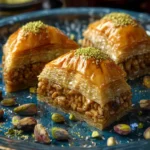
Baklava
- Total Time: 5 hours
- Yield: 16 servings 1x
- Diet: Vegetarian
Description
A delicious layered pastry made of phyllo dough, filled with chopped nuts and sweetened with syrup.
Ingredients
Scale
- 2½ cups sugar
- 2 cups water
- 1 slice lemon
- 25 sheets phyllo sheets (2 packages, thawed if frozen)
- ¾ cup unsalted butter, melted (cooled, not hot)
- 3½ cups walnuts, finely chopped
- 2 tablespoons ground pistachios (optional for garnish)
Instructions
- Prepare the syrup: Combine sugar, water and lemon slice in a saucepan. Bring to a boil, then reduce the heat and simmer for 15 minutes. Let it cool completely.
- Preheat the oven to 350°F (180°C).
- Trim the phyllo sheets to fit your baking pan. Keep them covered with a damp cloth while working so they don’t dry out.
- Butter the bottom and sides of a 9×13-inch (23×33 cm) baking pan.
- Place 1 sheet of phyllo in the pan and brush lightly with melted butter. Add another sheet and butter it. Repeat until you have 5 sheets in total.
- Spread about 100g chopped walnuts evenly over the 5th sheet.
- Add another 5 phyllo sheets, brushing each with butter. After the 5th sheet, sprinkle another layer of walnuts (about 100g).
- Repeat this process two more times, so you have 4 layers of walnuts in total.
- Finish with the final 5 phyllo sheets, brushing each with butter, including the top layer.
- Using a sharp knife, cut the baklava into diamond or square shapes, making sure to cut all the way to the bottom of the pan.
- Bake for about 30 minutes, or until golden brown.
- Remove from the oven and immediately pour the cooled syrup over the hot baklava.
- Let it rest uncovered for at least 4–5 hours so the syrup is fully absorbed.
- Garnish with ground pistachios before serving.
Notes
- For best results, use fresh phyllo dough and ensure it’s kept moist while preparing.
- Allow sufficient time for the baklava to soak up the syrup for maximum flavor.
- Prep Time: 30 minutes
- Cook Time: 30 minutes
- Category: Dessert
- Method: Baking
- Cuisine: Mediterranean
Nutrition
- Serving Size: 1 piece
- Calories: 300
- Sugar: 15g
- Sodium: 40mg
- Fat: 20g
- Saturated Fat: 10g
- Unsaturated Fat: 7g
- Trans Fat: 0g
- Carbohydrates: 30g
- Fiber: 2g
- Protein: 4g
- Cholesterol: 30mg